Introduction
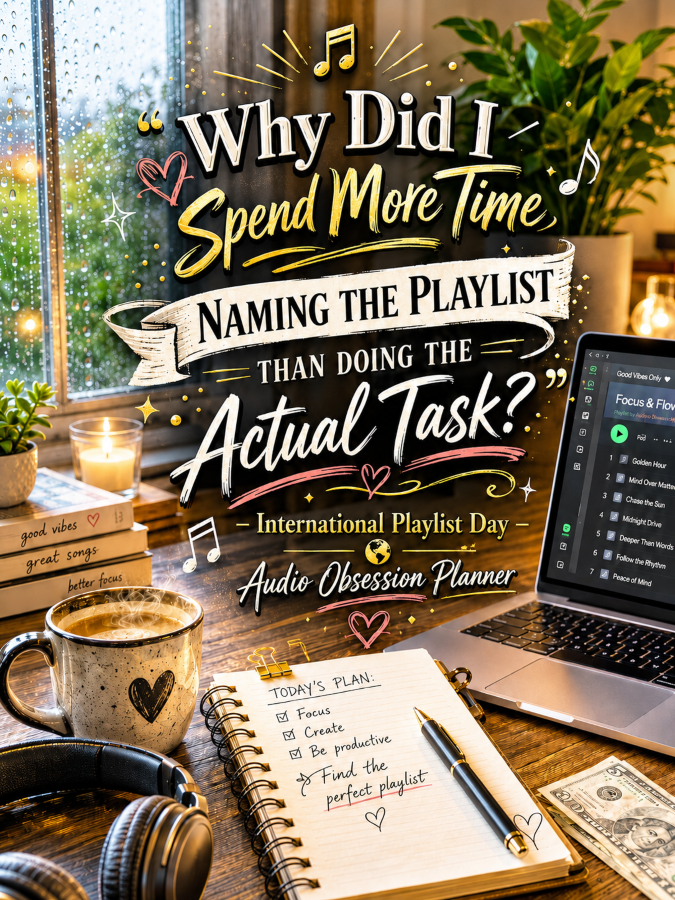
About 42 days from now, music lovers will once again find themselves deep in the wonderfully ridiculous world of playlist creation. Whether they’re celebrating an official playlist-themed event, sharing mixes with friends, or simply reorganizing their music library for the seventh time this month, one thing remains true. People take playlists very seriously.
That’s exactly why this printable has so much potential. Creating a playlist used to mean recording songs onto a cassette tape and hoping the radio DJ wouldn’t start talking over the intro. Today, it means spending forty-five minutes debating whether a song belongs in a collection called “Calm Productive Vibes” or “Emotionally Stable-ish Tuesday Afternoon.” The technology changed. The obsession absolutely did not.
Tools Required
Canva is ideal for creating colorful playlist-themed layouts with headphones, music notes, soundwaves, and playful graphics. The design should feel fun, modern, and slightly chaotic, just like the average playlist creator’s thought process.
Google Fonts offers plenty of clean and creative font combinations that work beautifully with music-themed products. You can also use Etsy to research music journals and printable planners, Gumroad for digital delivery, and Placeit to create polished promotional mockups.
10-Step Action Plan
1. Create a cover page titled “Emotionally Curating Soundtracks for Everyday Activities.” Add playlist graphics, headphones, colorful backgrounds, and fun typography that instantly communicate the theme.
2. Design a “Playlists I Created Instead of Completing My To-Do List” tracker where users can document their musical masterpieces.
3. Create a “How Important Did This Playlist Feel?” self-assessment chart. Include ratings ranging from “casually helpful” to “this collection defines who I am as a person.”
4. Add a “Playlist Names I Thought Were Pure Genius” journaling page. Buyers will immediately recognize this behavior because we’ve all named a playlist like it deserved a literary award.
5. Include a “Songs That Were Added, Removed, and Added Again” reflection section. Every playlist creator has been trapped in that cycle.
6. Design a “Music for Highly Specific Situations” brainstorming spread. Examples might include “folding laundry while feeling dramatic” or “pretending to enjoy cardio.”
7. Create a “Songs That Instantly Changed My Mood” tracker where users can identify their most powerful musical picks.
8. Format everything with bright colors, music-themed graphics, playful layouts, and plenty of room for notes and creativity.
9. Add bonus pages like “Playlists That Took Longer to Build Than the Event Itself” and “Songs That Absolutely Refused to Fit the Theme.” Those little details help buyers feel completely understood.
10. Export printable and tablet-friendly versions so users can manage their musical creations however they prefer.
Customer Acquisition Ideas
Create funny social media content about spending more time organizing playlists than completing the tasks those playlists were supposed to support. That’s the kind of humor music lovers instantly relate to.
You can also post relatable content about naming playlists, discovering new music, and creating highly specific collections for oddly specific moods. Target students, remote workers, music enthusiasts, gym-goers, and playlist creators. Pinterest keywords like playlist journal, music planner, music lover printable, and audio tracker can help attract highly engaged buyers.
Creative Monetization Tips
Create themed editions such as “Workout Playlist Planner,” “Road Trip Music Journal,” or “Cozy Rainy Day Playlist Tracker.” Different listening situations create endless opportunities for additional products.
You can also bundle this planner with mood trackers, music journals, self-care planners, and productivity sheets. Offer editable Canva versions as premium upgrades. Matching sticker packs featuring headphones, music notes, playlists, cassette tapes, and soundwaves can provide a valuable upsell opportunity.
Next Steps
Focus on creating a design that feels energetic, fun, and highly shareable. Use vibrant colors, layered typography, and playful music-inspired elements throughout the planner.
Keep the humor warm and conversational. The planner should feel like it completely understands the person who created six nearly identical playlists because each one captured a slightly different emotional vibe that absolutely mattered.
Conclusion
Playlist culture offers a fantastic opportunity because people genuinely enjoy organizing, sharing, and talking about music. It combines creativity, emotion, nostalgia, and personal identity in a way few other hobbies can match.
The moment somebody laughs because your printable perfectly captures their tendency to spend an hour perfecting a playlist for a fifteen-minute task, you’ve created a connection. And when buyers feel understood, entertained, and gently called out, they’re much more likely to become enthusiastic customers.
Here’s what you uncovered today. If something made you pause, smile, or feel curious, follow that spark and start working toward it today. Momentum begins with one decision.
Enjoy!