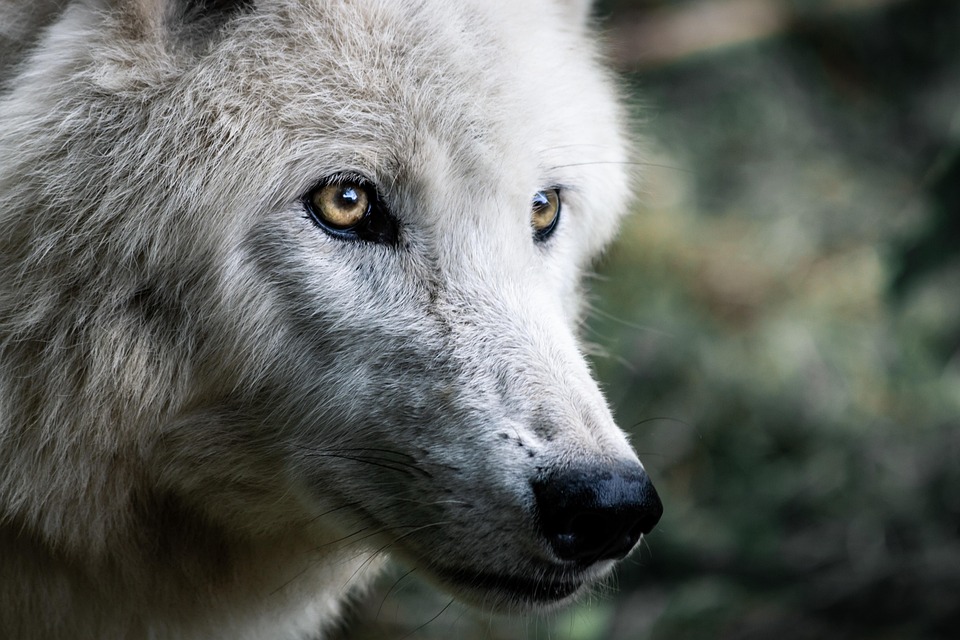
From frostbite to frozen paws, pet experts share simple steps to protect dogs and cats during dangerously cold temperatures.
CLEVELAND — When temperatures drop to dangerous levels, we obviously feel it — and so do our pets.
From frostbite to frozen paws — even dehydration — extreme cold can turn everyday routines into real risks. Take those outdoor walks for example: Shivering, holding up a paw or whining are clear signals your dog is too cold and needs to head inside. Unless your dog is a cold-weather breed with a thick double coat — like a Husky, Alaskan Malamute or Newfoundland, experts say time outdoors in sub-zero temperatures should be limited.
“We want to make sure you are keeping them out no longer than 10 minutes under single digits. You can up to 30 minutes if they want to stay out and play, but you want to keep an eye on your energy levels, their body language. If they are shivering, they don’t want to be out there,” said Tiffany Smoyer a shelter manager in Pennsylvania.
Vests and coats aren’t solely for pampered pups. Whether a dog needs a winter coat depends on several factors including age, size and coat thickness, but many dogs do benefit from them when temperatures plummet, or during freezing, wet or windy conditions. Small breeds, seniors, puppies and thin-furred dogs (think Greyhounds, Dalmatians, Boston Terriers and Frenchies) often need extra warmth.
Booties can provide an extra layer of protection, but if your dog won’t tolerate them, wiping down paws after every walk is essential — especially when sidewalks may be treated with chemicals that aren’t pet-safe.
“These are some hypoallergenic wipes you can use to get those pads nice and clean. We don’t always know when we are walking down the sidewalk what your neighbor is using — so you want to make sure you get in between those toes,” said Greg Barnard a doggy daycare owner in the Columbus area.
Cold weather safety isn’t just about outdoor time. Indoor cats also need warm, draft-free spaces.
Experts recommend elevating beds off cold floors and placing them away from windows and doors. Simple solutions — like creating a cozy “cat cave” with blankets — can help cats retain body heat and stay comfortable.
Extra tips to keep pets safe during extreme cold
Pet professionals also recommend these additional precautions during bitter winter weather:
-
Keep pets hydrated. Cold air and indoor heating can be very drying. Make sure fresh water is always available — and not frozen for pets who go outdoors.
-
Check outdoor animals frequently. If you care for outdoor cats or animals, ensure shelters are dry, insulated and windproof.
-
Limit baths and grooming. Frequent baths can dry out skin during winter. When grooming, watch for cracked paw pads or dry, flaky skin.
-
Never leave pets in cold vehicles. Just like summer heat, winter cold can become dangerous very quickly inside a car.
-
Watch space heaters and cords. Curious pets can get burned or chew electrical cords, creating fire risks.
Taking a few extra precautions can go a long way toward keeping pets safe, healthy and comfortable — even when winter weather is at its worst.