
Introduction
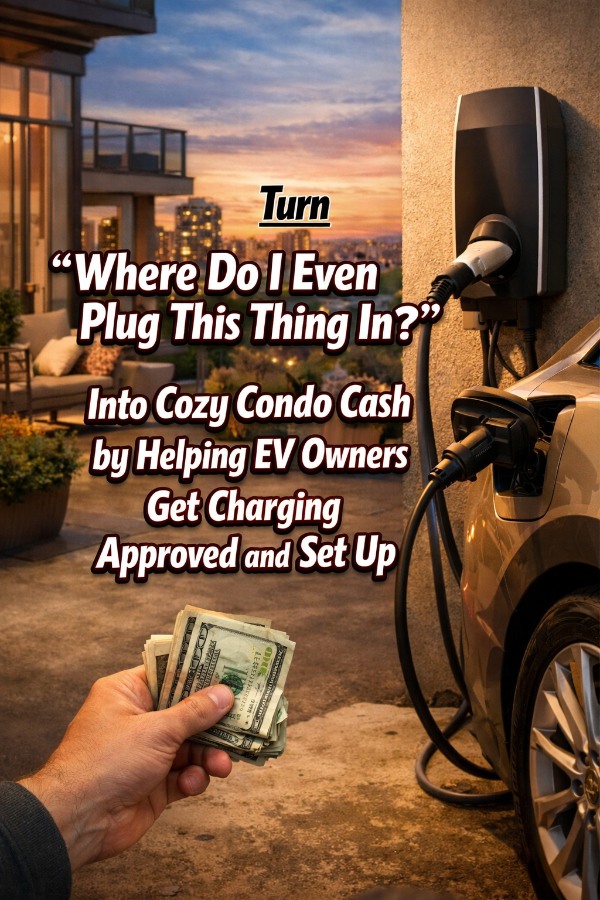
Buying an electric vehicle feels like joining the future, right up until you get home and realize your condo parking spot has the electrical energy of a sleepy potato. New EV owners in condos and townhouses often discover that “charging at home” is not a simple lifestyle upgrade, it is a small quest involving paperwork, neighbors, and at least one person who loves rules the way toddlers love sticky hands.
These folks are not trying to start a revolution, they just want to charge their car without running an extension cord through three bushes and a mild identity crisis. When you become the friendly guide who turns confusion into a clean plan, you sell relief, and relief sells like hot cocoa on a snowy day.
Why This Works Right Now
More people are buying EVs, and many of them live in shared buildings where “just install a charger” is about as realistic as “just teach a goldfish algebra.” The moment charging becomes inconvenient, motivation spikes, because nobody wants to rely on public stations like they are hunting for rare treasure in a parking lot at night.
There are stable, public explainers that make your guidance credible, like the Alternative Fuels Data Center page on charging at home, which lays out the basics without making anyone feel like they need an engineering degree and a cape. Pair that clarity with a step-by-step approval and setup roadmap, and you have a beginner-friendly offer that people happily buy because it saves time, stress, and awkward conversations.
Tools Required
You need a trustworthy foundation link you can point to when someone says, “But what even is Level 2,” and the AFDC overview of home charging gives you that calm, stable anchor while you keep your tone human and slightly ridiculous. It is like having a map for a theme park, except the theme park is electricity and the mascots are forms.
You also want a few practical shopping links that are stable and easy to understand, like Level 2 EV charger, EV charger cable holder, and label maker, because people love buying a thing that makes them feel prepared. The label maker sounds silly until you see someone label a breaker like it is a sacred artifact, and then you understand its power.
Finally, include one credibility helper for the money side, because credits and incentives make people perk up like squirrels hearing a snack bag, and the IRS page on the alternative fuel vehicle refueling property credit is a stable public reference. You are not giving tax advice, you are pointing them to the official page, which feels responsible and comforting.
Your 10 Step Action Plan
Step 1: Pick the exact resident you serve, so your offer feels personal
Focus on condo and townhouse EV owners who have assigned parking and a building board to deal with, because they are motivated and slightly stressed in a very profitable way. They are the people whispering, “I love my EV,” while also whispering, “I cannot charge it at home,” like it is a secret embarrassment.
Describe their situation with empathy and humor, like a shiny spaceship parked next to a wall outlet that cannot handle a toaster. When they feel seen, they stop scrolling and start listening.
This tight targeting makes your product feel made for them, not copied from a generic internet blob.
Step 2: Create a simple “charging reality check” that replaces confusion with clarity
Explain the difference between basic charging and faster home charging in plain language, and keep it friendly, because most people do not wake up excited to learn new electrical vocabulary. Use the AFDC home charging page as your steady reference point, because it is public, stable, and calm.
When they understand what they are asking for, they stop sounding uncertain in emails and meetings, and uncertainty is the fastest way to get a “no.” Confidence is contagious, even in buildings with lots of rules.
This clarity check becomes your first deliverable and an easy upsell hook.
Step 3: Build a “board approval packet” template they can customize
Create a tidy packet with a request letter, a one-page overview, and a simple FAQ, because boards love paper the way cats love boxes. Your buyers are not trying to fight, they are trying to ask in a way that is easy to approve.
Make it sound polite and practical, while still being human, like, “Here is what I want, here is why it is safe, and here is how we keep this neat.” Include a link to the IRS refueling credit page so they can see there may be financial incentives involved, which makes the request feel timely and serious.
Sell this template as the core asset, because it saves them hours and awkwardness.
Step 4: Give them a “questions to ask an electrician” cheat sheet
Most people do not know what to ask, so they either freeze or ask something like, “Can you make it charge,” which is not exactly specific. Your cheat sheet turns them into a confident client who can collect quotes and compare options.
Keep it playful, like preparing for a first date, except the date is a panel upgrade and you want everyone to be honest about capacity. Suggest practical items like a cable holder and labels so the final setup looks clean and intentional, which reduces neighbor drama.
This step makes you look like the organized friend who brings snacks and a clipboard to a crisis.
Step 5: Offer a “quote comparison” worksheet that makes decisions easy
People get multiple quotes and then their brains melt like ice cream on a dashboard in July. Your worksheet helps them compare pricing, timelines, warranty, and what is included without guessing.
Use humor to keep it light, like saying, “We are not choosing a wizard, we are choosing a professional, so we compare apples to apples, not apples to mysterious dragons.” When decisions feel simple, purchases and progress happen faster.
This worksheet becomes part of your bundle and increases perceived value immediately.
Step 6: Create a “parking space readiness” checklist that prevents surprises
Walk them through measuring distance, identifying outlet access, and noting any shared infrastructure concerns, because surprises are what trigger delays. This checklist saves them from the classic moment where someone says, “Oh, the conduit cannot go there,” and everyone sighs dramatically.
Recommend a Level 2 charger link and a cable holder link so they can see what the equipment looks like, because visuals reduce confusion and help them communicate clearly. When people can picture the setup, they explain it better, and better explanations get approvals.
This step makes your buyers feel prepared instead of helpless, and that feeling is worth money.
Step 7: Provide a “neighbor-friendly” communication script
Some neighbors worry about safety, aesthetics, or “too much change,” and your script helps your buyer speak calmly without sounding defensive. This is not a debate club, it is a practical request, and calm language wins.
Add a funny line or two they can optionally use, like comparing a tidy charger setup to a neatly hung garden hose, because small humor can soften tense conversations. The goal is agreement, not victory, and your script keeps them focused.
This script is a quiet superpower, because social friction is often the real obstacle.
Step 8: Package a “board meeting prep” mini guide
If they have to present, give them a short prep guide with talking points and a one-page summary they can bring. This turns a scary meeting into a predictable moment with an opening, a middle, and an ending.
Keep it light, like coaching them for a school presentation where the audience is adults and the topic is electricity, which is less fun than dinosaurs but still survivable. Include the AFDC link so they can reference neutral information instead of personal opinions.
This mini guide supports premium pricing because it reduces fear and increases confidence.
Step 9: Add a “post-install setup” checklist so the system stays neat and safe
After install, people forget details, so your checklist covers labeling, cable management, and basic maintenance reminders. This prevents the setup from turning into a spaghetti situation that annoys neighbors and confuses future residents.
Recommend a label maker and a cable holder again as simple finishing touches, because tidy details create fewer complaints and more pride. Pride is underrated as a selling benefit, because people love feeling like they did something smart.
This post-install checklist reduces regret and increases satisfaction, which creates referrals.
Step 10: Sell a premium “Charging Approval to Plug-In” bundle with tiers
Create three tiers, with the basic tier covering templates and checklists, the middle tier adding scripts and meeting prep, and the premium tier including a deeper planning workbook. People love choices, and choices increase conversions.
Keep the offer beginner-friendly and calm, with playful language like, “Pick the tier that matches your stress level today.” Include the IRS refueling credit page as a credibility link, because official information makes your bundle feel grounded and timely.
This tiered setup increases revenue without making you work three times harder, which is the kind of math everyone enjoys.
5 Great Ways to Get In Front of Customers
Way 1: Share “Condo EV Charging Horror Stories” with a happy ending
Tell short stories about residents who tried to charge with an extension cord and ended up creating a sidewalk obstacle course, because humor attracts attention and lowers shame. People relate when you describe the stress in a kind way.
Then you pivot to the calm solution, like, “Here is the simple packet that makes approval easier,” because story plus structure equals trust. Add the AFDC home charging link so your content feels anchored in something stable and public.
That combination pulls in the exact buyers who are ready to act.
Way 2: Publish a “Board Approval Checklist” as a teaser
Offer a small checklist that feels immediately useful, because useful content spreads like gossip at a neighborhood barbecue. People love saving something that makes them feel organized.
Keep the tone light, like you are helping a friend pack for a trip, except the trip is a meeting with a building board and the suitcase is filled with documents. Mention that your full packet includes templates, scripts, and quote comparison sheets, which makes the upgrade obvious.
This teaser naturally funnels the right people into your paid bundle.
Way 3: Make a simple “What is Level 1 vs Level 2” explainer that stays human
Many buyers are stuck at the vocabulary stage, so a friendly explainer helps them move forward. When they understand the basics, they stop procrastinating and start requesting quotes.
Link to the AFDC home charging page because it is public and stable, and then add your own practical translation in warm language that feels like a helpful neighbor with coffee. When people feel safe, they buy.
This explainer positions you as the calm guide, not the pushy salesperson.
Way 4: Offer a “Quote Comparison Worksheet” download
People love tools that save them from decision paralysis, and a worksheet feels like a life raft in a sea of contractor emails. Decision support is valuable because it reduces overwhelm.
Keep your messaging playful, like, “We are comparing quotes, not selecting a new royal advisor, so let’s keep it simple.” Then point to your bundle as the place where the whole system lives, which makes the upsell feel natural.
This download attracts buyers who are already close to spending money.
Way 5: Create a mini email series called “From Approval to Plug-In”
A short email series builds trust because it gives small wins over a few days, and small wins feel like progress. People love progress when they feel stuck.
Each email can include one useful tip and one gentle nudge toward your templates, like a friendly guide tapping a sign that says, “This way to fewer headaches.” Include the IRS refueling credit link in one email because official incentives make people pay attention.
By the end, your offer feels like the obvious next step.
5 Super Creative Tips to Make Money
Tip 1: Sell a “Board Approval Packet” as a standalone quick win
A standalone packet is an easy entry product because it solves a specific pain fast. Fast solutions convert well when stress is high.
Make it feel friendly and empowering, like handing them a cheat code that is actually just good organization and polite language. Include the AFDC home charging link inside the packet as a neutral reference, which makes the packet feel credible and grounded.
This product can be priced low enough for impulse buys while still being profitable.
Tip 2: Offer a premium “Meeting Prep Script” add-on
Some buyers dread speaking in meetings, so a meeting prep script sells relief. Relief is a very marketable feeling.
Keep it playful, like, “You are not auditioning for a movie, you are requesting a charger,” which helps them relax and speak clearly. This add-on feels valuable because it tackles the emotional obstacle, not just the paperwork.
Premium add-ons increase your revenue per buyer without changing your niche.
Tip 3: Create a printable “Charging Setup Planner” workbook
A planner workbook feels substantial, and substantial products command higher prices. People love a workbook that makes them feel organized and in control.
Use humor, like comparing a tidy plan to a well-packed lunchbox, because nobody wants a charger plan that spills everywhere. Include a section that points to the IRS refueling credit page so they can see official incentives, which makes action feel timely.
This workbook becomes an easy upsell from your starter packet.
Tip 4: Bundle a “Condo EV Charging Starter Kit” with tiered pricing
Tiered pricing works because different people have different stress levels and different budgets. It is like offering small, medium, and large coffee, and everyone understands that language immediately.
Keep the tiers clear, with basic templates in tier one, scripts and worksheets in tier two, and the full planner plus meeting prep in tier three. Include stable links like AFDC home charging in all tiers because consistent credibility helps buyers trust the system.
This structure increases conversions because it gives buyers a comfortable entry point.
Tip 5: Create seasonal promos tied to “New Year EV Goals” and “Spring Home Upgrades”
People set goals at predictable times, and upgrading home charging feels like a practical goal that supports daily life. Seasonal framing gives your product a reason to be purchased now, not someday.
Use playful messaging, like, “Make this the year your EV stops living on public charging crumbs.” Then include a brief mention of official incentives using the IRS credit page link, because deadlines and benefits create urgency without hype.
Seasonal promos keep your revenue flowing even when you are not launching new products.
Your Next Steps
Create your core “Board Approval Packet” first, because it is the fastest path to an immediate, helpful product that people will buy while they are actively stressed. Keep it clean, kind, and easy to customize so buyers feel confident using it right away.
Next, build two add-ons, a quote comparison worksheet and a meeting prep script, because those solve the most common stuck points without requiring you to reinvent your entire offer. When you present these as calm upgrades, buyers feel supported instead of pressured.
Finally, publish a small stream of relatable content that makes condo EV owners laugh while also feeling understood, and then point them gently toward your packet and bundle tiers. When your content feels like a warm friend with a plan, sales come naturally.
Conclusion
Condo and townhouse EV owners who cannot charge at home are a real, distinct group with a clear pain point and an urgent desire for a practical solution. They do not need motivation, they need a roadmap that turns “approval chaos” into “plug-in peace.”
When you combine humor, structure, and stable public references like the AFDC home charging guide and the IRS refueling credit page, your offer feels credible without becoming boring. Credible and fun is a rare combo, and rare combos get purchased.
Help them go from confused to confident, and you will create a product that sells steadily because new EV owners keep arriving and shared buildings keep having rules. Rules may be annoying, but they are also very profitable when you know how to navigate them.
Does this idea intrigue you enough to start today and turn charging confusion into real income?
Enjoy!