
Introduction
Prime Day begins with excitement.
Then, approximately eleven minutes later, there are seventeen browser tabs open, three comparison videos playing simultaneously, two family members shouting product recommendations from across the room, and somebody frantically asking whether that air fryer is genuinely discounted or merely wearing a fake moustache and pretending to be a bargain.
The shopping isn’t the difficult part.
Keeping track of the deals is.
Prices change hourly. Lightning deals vanish faster than free doughnuts in an office breakroom. Coupon codes appear unexpectedly, and suddenly shoppers can’t remember whether the vacuum cleaner was cheaper yesterday or if their memory is simply becoming adventurous.
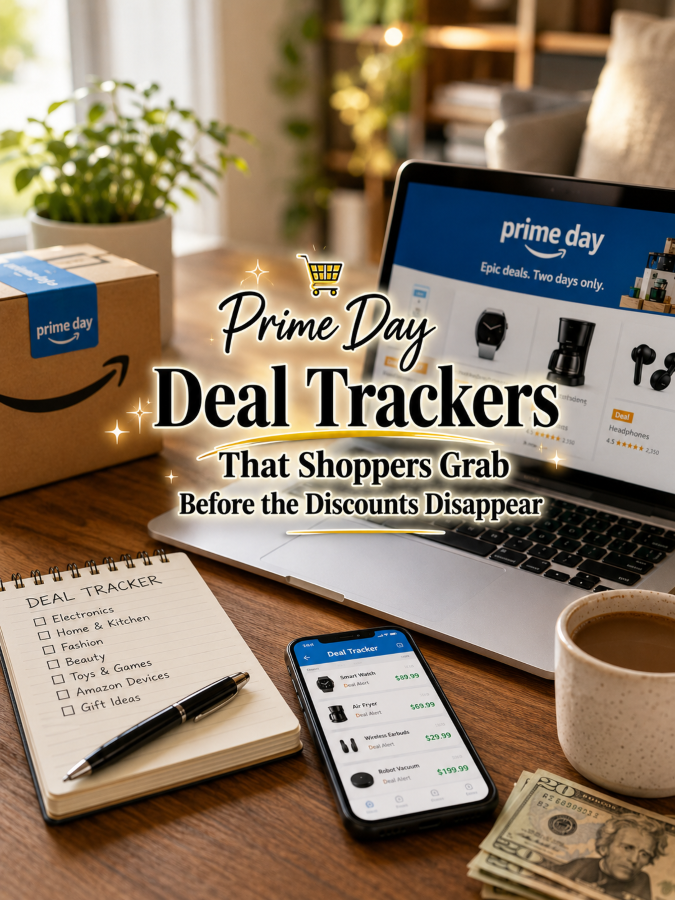
That’s exactly why Prime Day Deal Trackers continue attracting buyers every single year. They help shoppers compare prices, organize purchases, avoid impulse buys, and maximize savings while giving digital creators a highly seasonal product with remarkable repeat potential.
One thoughtfully designed tracker can quietly save shoppers hundreds of dollars while reducing enough stress to preserve family harmony during major sale events.
Quick Answer
Prime Day Deal Trackers are downloadable spreadsheets, printables, dashboards, and planners designed to help shoppers monitor prices, compare discounts, prioritize purchases, track budgets, and organize wish lists during major shopping events.
A starter tracker can comfortably sell for around $7. Expand it into Black Friday planners, holiday shopping systems, annual savings trackers, and premium budgeting bundles, and you’ve built a natural product ladder reaching $27, $47, and even $77.
People aren’t simply buying spreadsheets. They’re buying confidence that they aren’t accidentally paying full price for something with a red sale sticker attached to it. That someone creating that solution could absolutely be you!
Why This Niche Works
Major shopping events happen constantly.
Prime Day, Black Friday, Cyber Monday, back-to-school sales, holiday shopping events, and seasonal promotions create repeated opportunities for better organization.
Many shoppers rely entirely on screenshots, browser bookmarks, sticky notes, and memories that become suspiciously unreliable somewhere around their ninth product comparison.
Once customers discover a tracker that genuinely helps them save money, they’ll often return for holiday planners, budgeting systems, price comparison sheets, and countless related thingees.
Unlike trendy gadgets that disappear after six months, people appear remarkably committed to hunting bargains.
Prior to pouncing upon this opportunity, you should first know all about the:
Tools You’ll Need
You don’t need a finance degree or six monitors displaying shopping dashboards like a stock trader during earnings season. These dependable tools are more than enough.
- Canva for designing printable trackers and comparison sheets.
- Google Docs for creating instructions and user guides.
- AWeber for building your email list with shopping tips and seasonal updates.
- GetResponse for launches, promotions, and customer follow-up.
- Gumroad for selling downloadable trackers and bundles.
- Teachable if you’d eventually like to teach budgeting or smart shopping strategies.
- Amazon Shopping Planner Research for studying the features buyers appreciate most.
Don’t spend four weeks choosing spreadsheet colors while your future customers are currently wondering whether they really need a third portable blender.
Next, move to:
Your 5-Step Action Plan
Follow these five steps unless you’d rather spend 22 hours researching discounts while someone else quietly launches a shopping planner that captures the entire market.
Step 1. Research Real Shopper Frustrations
Spend about 93 minutes exploring shopping groups, deal forums, budgeting communities, and customer reviews.
Create a master list containing 28 to 35 tracking categories. Include original prices, discount percentages, target budgets, purchase priorities, coupon codes, shipping costs, and product comparisons.
Your research becomes an X-ray machine that reveals buying frustrations many shoppers simply accept as unavoidable.
Step 2. Build Your Core Tracker
Create a collection containing 18 to 24 pages or spreadsheet tabs that guide shoppers from wish list creation all the way to final purchase decisions.
Include deal comparisons, budget limits, purchase rankings, spending summaries, and savings calculations. Keep everything simple because simplicity is always a Good Thing.
Step 3. Create Specialty Editions
Build separate versions for families, technology shoppers, holiday buyers, home organizers, parents, small businesses, and gift planners.
Specific trackers always feel more valuable than one giant workbook attempting to organize every shopping decision made since the invention of department stores.
Your customers will appreciate having choices.
Step 4. Add High-Value Bonuses
This is where your tracker starts standing out from the thundering herd.
Include budget planners, shipping trackers, gift lists, return reminders, savings summaries, and impulse purchase checklists.
Those bonus thingees require very little extra effort yet dramatically increase the value of your bundle.
People love practical extras that save money and reduce stress.
Step 5. Build Your Product Ladder
Launch your starter tracker for $7. Expand into annual shopping systems around $27, then introduce premium budgeting libraries approaching $77.
Before long, your business won’t simply be selling spreadsheets. You’ll be helping people shop smarter and spend with greater confidence.
Once you’ve figured out all of the above, the next step is implementing:
3 Ways to Stand Out From The Thundering Herd!
Let’s be honest. Shopping trackers are about as rare as coffee shops on city street corners.
The Good Thing is that most of them stop at simple price comparisons and wish lists. Your tracker can become the shopping command center bargain hunters refuse to start Prime Day without.
Way 1. Focus on Decision-Making, Not Just Tracking
Many shoppers don’t struggle with finding deals.
They struggle with deciding whether those deals are actually worth buying. Include purchase priority rankings, need-versus-want checklists, replacement schedules, and budget impact assessments.
Those extra thingees help shoppers avoid the famous Prime Day phenomenon known as “accidentally spending $400 to save $87.”
Way 2. Create Versions for Specific Buyers
A parent shopping for school supplies has very different needs than a gamer hunting computer upgrades or a small business owner stocking office equipment.
Create versions for families, students, entrepreneurs, holiday shoppers, technology enthusiasts, pet owners, and homeowners. A specialized tracker feels far more valuable than a giant spreadsheet attempting to organize every purchase made by humanity.
Way 3. Include Historical Price Tracking
Not every discount is actually a discount.
Include spaces for previous prices, target prices, competitor prices, and historical trends. Buyers love knowing whether they’re finding a genuine bargain or merely participating in an elaborate theatrical performance involving red percentage signs.
Next, here’s the thing. You’re probably NOT the only person offering this service. So you now require:
3 Nifty Ways to Find Customers
You don’t need paid advertising because deal hunters practically shine the Bat Signal every time a major sales event appears on the calendar.
Way 1. Deal Communities
Facebook groups, Reddit communities, and shopping forums are packed with bargain hunters comparing prices and recommendations.
Share practical shopping strategies, budgeting tips, and comparison ideas before introducing your tracker. Helpful creators become trusted creators remarkably quickly.
Way 2. Pinterest
Pinterest users actively search for holiday planners, budgeting ideas, and shopping strategies.
Create helpful pins featuring budget trackers, comparison sheets, and wish list planners. Useful visuals continue attracting traffic long after the sale event ends.
Way 3. Budgeting Bloggers and Creators
Financial creators regularly share saving tips, budgeting advice, and shopping strategies with highly engaged audiences.
Affiliate partnerships and collaborations can place your tracker directly in front of buyers who already value organization and savings.
Speaking of completed projects, now let’s move to:
3 Takeaways You Won’t Find Elsewhere!
These aren’t feel-good reminders. They’re practical lessons that quietly transform one tracker into a dependable digital product business.
Takeaway 1. You’re Selling Confidence
Customers aren’t buying spreadsheets and checkboxes.
They’re buying confidence that they’re making smart decisions and avoiding expensive impulse purchases disguised as opportunities.
Takeaway 2. Shopping Seasons Never Really End
Prime Day finishes eventually.
Back-to-school shopping, holiday sales, Cyber Monday, end-of-season clearance events, and spring promotions quickly arrive to take its place.
That’s excellent news for creators building seasonal product collections.
Takeaway 3. One Tracker Can Become an Entire Savings Library
Your Prime Day planner can naturally grow into Black Friday trackers, holiday gift planners, annual budgeting systems, and shopping organizers.
Those connected thingees make scaling dramatically easier because you’re continuing to serve customers already interested in spending wisely.
Now that you know the above, it’s time for:
3 Common Mistakes to Avoid
Many creators only track prices.
That’s Not a Good Thing. Buyers also need help prioritizing purchases and managing budgets.
Some sellers make trackers overly complicated.
If customers need a tutorial video and three cups of coffee before entering a product price, something has gone terribly wrong. Simplicity is always a Good Thing.
Others stop after creating one shopping event planner.
The biggest opportunities often appear when customers ask for versions tailored to other sales events and buying situations.
What else should you know? How about:
Scaling Your Results
Expand into complete shopping systems.
Create holiday planners, budget dashboards, wish list managers, gift trackers, inventory sheets, and spending reports that complement your original tracker beautifully.
Create premium budgeting bundles.
Bundle shopping planners, savings trackers, comparison sheets, gift organizers, and budget dashboards into complete financial systems customers will happily purchase together.
Build an email list shoppers genuinely appreciate.
Share seasonal buying tips, savings strategies, deal alerts, and printable updates throughout the year. A collection containing 36 shopping products could realistically generate an additional $571 to $1,693 each month through memberships, bundles, repeat customers, and seasonal promotions. Trust me, you’ll thank me later.
Let’s now wrap up everything via the:
Your Next Steps
So.
Start by listing 35 frustrations shoppers regularly experience during major sales events. Then create pages that solve those problems one by one.
Build your first tracker in Canva using clear layouts, practical comparisons, and visible savings calculations. If someone can make smarter buying decisions within ten minutes, you’ve created something valuable.
Then share your tracker with five budgeting communities, deal forums, shopping bloggers, or Pinterest boards. Remember, 5 good messages beats 50 generic ones every single time.
One thoughtful tracker can quietly become the beginning of an entire shopping organization business.
Next, let’s finish with:
Final Thoughts
The best shopping decisions aren’t the ones that save the most money. They’re the ones that create the most value.
Your Prime Day Deal Trackers can help people make those decisions with greater confidence and less stress. They improve organization, reduce impulse spending, and help shoppers focus on purchases that genuinely matter.
Start with one tracker that solves one meaningful shopping problem exceptionally well. Keep listening to your customers. Keep improving your products. Keep building resources that help people become smarter, calmer shoppers.
You don’t need bazillions of products to build meaningful income. You simply need one thoughtful resource that helps somebody avoid buying a fourth air fryer because it was 32 percent off.
That’s it. That’s your beginning!
If you were creating your first Prime Day Deal Tracker tomorrow morning, would you build it for families, technology shoppers, holiday planners, small businesses, or bargain hunters in general?
Enjoy!