
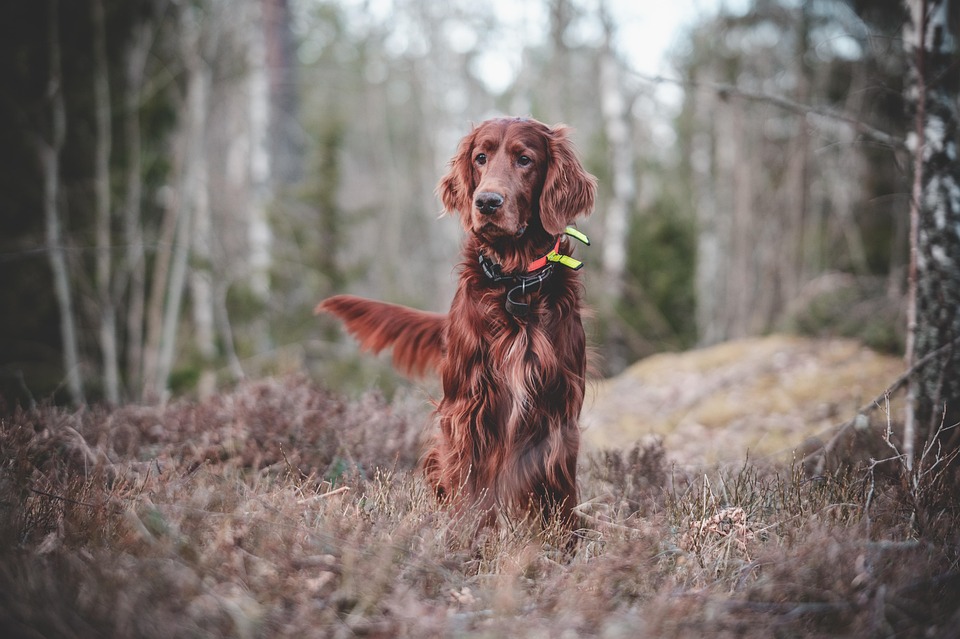
A mom was left wondering why her dog was behaving strangely until her son revealed the truth.
In a post shared on Threads, @annie.wade00 described how her dog suddenly refused to leave her son’s side over the course of a weekend. Wherever the boy went, the dog followed closely, nudging him with his nose and hovering “like Velcro.”
“I thought the dog was sick or something was wrong with him,” the mom wrote. She checked whether the dog was limping, eating properly or showing any obvious signs of illness. Everything appeared normal—except his relentless focus on her son.
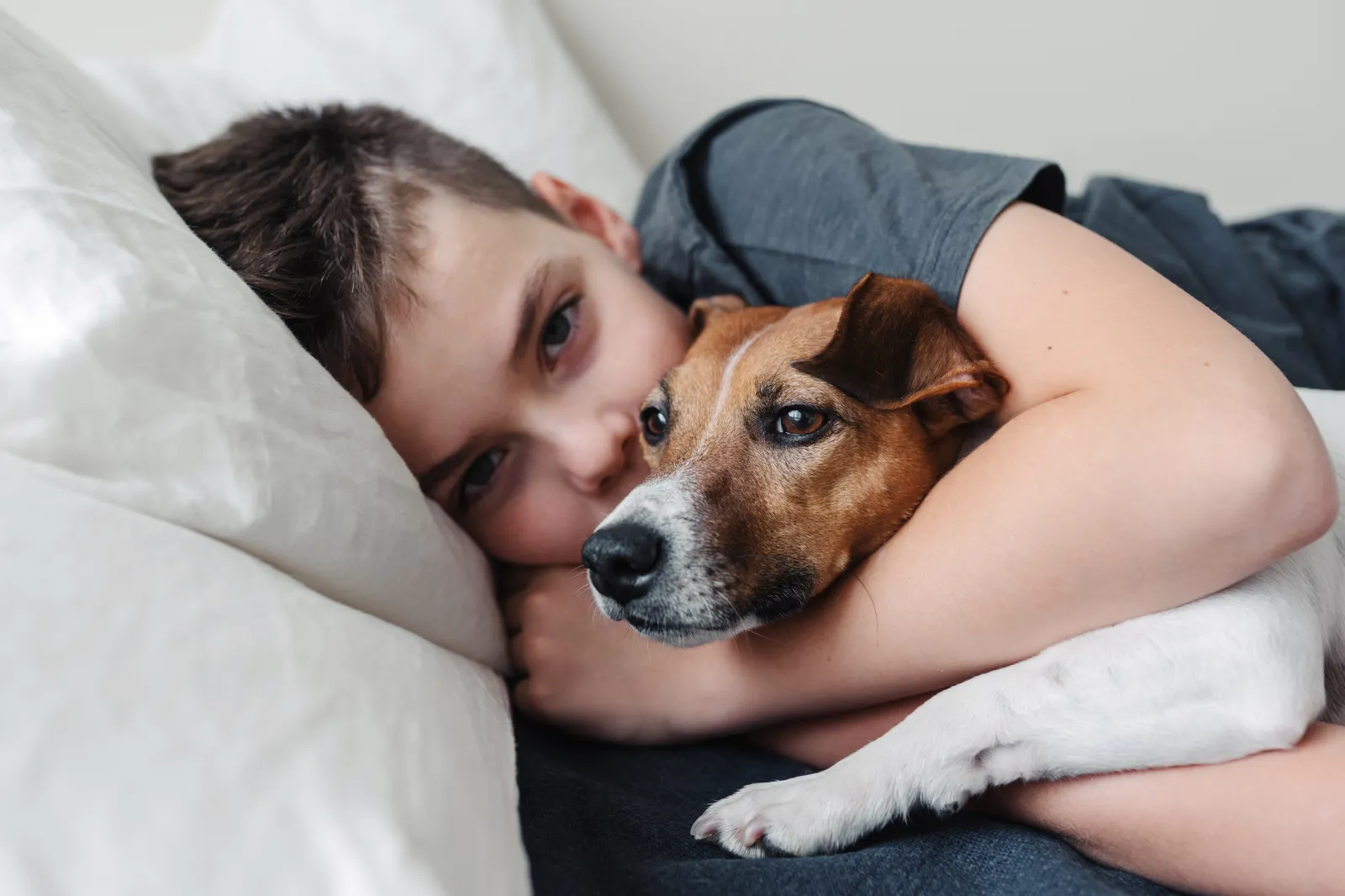
It wasn’t until she finally asked her son whether he had noticed their dog “acting weird” that the truth emerged.
He admitted he’d been under intense stress about an upcoming school presentation, losing sleep and worrying about embarrassing himself in front of his classmates. The dog, she realized, had sensed the anxiety long before her son voiced it.
“Now my son says having the dog nearby actually helps him feel calmer,” Annie wrote. “Animals pick up on things we don’t talk about. Sometimes they’re better at checking in than I am.”
Her post went viral on Threads, clocking up over 21,000 likes, comments and shares. Many other pet owners shared similar experiences in the comments.
One user recalled how their dog, Snoopy, reacted on the morning they were scheduled for cancer surgery. “He grabbed my sock and dived under the bed. He never had stolen a sock before or since but he knew I was anxious that morning and was trying to keep me home,” they wrote.
Snoopy even growled at the commenter’s husband while guarding the sock—behavior completely out of character—and later refused to leave their side during recovery.
Another commenter described how their dog became unusually clingy when both they and their partner were ill. “He’s 75 lbs., lol, squishing himself into the cat bed next to my chair, constantly following me, etc. I finally figured out that he was worried about us!”
Kate LaSala, a leading expert in animal behavior, told Newsweek that dogs are exceptionally skilled at reading human emotions.
“Dogs are also very attuned to routines and our own emotions,” LaSala said. “They have evolved to be especially good at reading our body language, much better than we are at reading theirs.”
Their powerful sense of smell also allows them to detect subtle changes in body chemistry, which is why dogs can be trained for psychiatric service work or to detect medical conditions like diabetes.
When humans are stressed, anxious or acting out of routine, dogs notice—and often respond by becoming more clingy or protective. LaSala added that disruptions to a person’s sleep, like those caused by stress, can also affect a dog’s behavior by altering their shared routine.
Beyond intuition, there’s science behind why a dog’s presence can feel so comforting. Petting a dog has been shown to lower cortisol levels, reduce blood pressure and increase oxytocin and dopamine—the so-called “happy hormones”—in both humans and dogs.