I’ve started noticing a new trend emerging. I’m hearing from my network that some people are considering ditching their website.
They say, “All of my business comes from LinkedIn/Instagram/Facebook, so why do I need the cost and time associated with maintaining a website?”
It’s an interesting concept, and one I’ve been thinking about of late. Are they right? Could you run your business solely on social media?
Or is having a website a necessity?
Here are my thoughts on it and whether you really need a website in 2026.
I know that some small businesses are running quite happily from social alone. Think, solo practitioners, creatives and micro‑brands who live in the DMs and LinkedIn comments. I also know people locally who haven’t updated their website for years (maybe they don’t even know how to/have the login credentials to access their content management system – eeek!). Instead, they’re happily fully booked thanks to word of mouth and LinkedIn.
So, why are some businesses tempted to go ‘social‑only’?
There are some very understandable reasons people flirt with the idea of scrapping their website.
First, social feels faster and cheaper. Keeping your Instagram page or LinkedIn profile fresh with new content on the daily doesn’t really take that long, while a decent website, even a simple one, takes time, decisions, and money. If you’re a one-person consultancy or a micro business juggling a million things, the idea of ‘I’ll just use Instagram/LinkedIn’ can feel wonderfully light compared with choosing domains, layouts, copy and SEO.
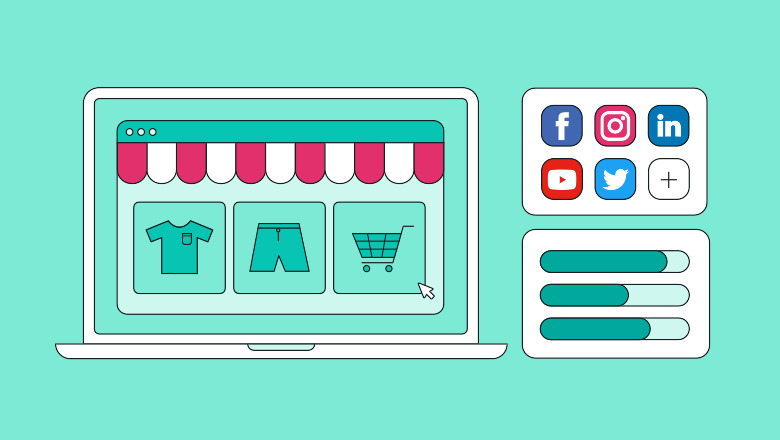
Second, social platforms already have your audience. Your clients are scrolling on LinkedIn at their desks and on Instagram on their sofas. If you have a spare bit of cash, you could dip your toes into paid social, so that the algorithm will push your posts and Reels in front of people who’ve never heard of you. A cheaper alternative to building a website from scratch. And something that could be more beneficial to you, especially in the early days.
Third, social makes conversations frictionless. It’s very easy for someone to comment on a post, tap through to your profile, and be in your DMs within a few seconds. I’ve seen many businesses run full waiting lists off the back of nothing more than a busy Instagram account and some well‑aligned LinkedIn posts.
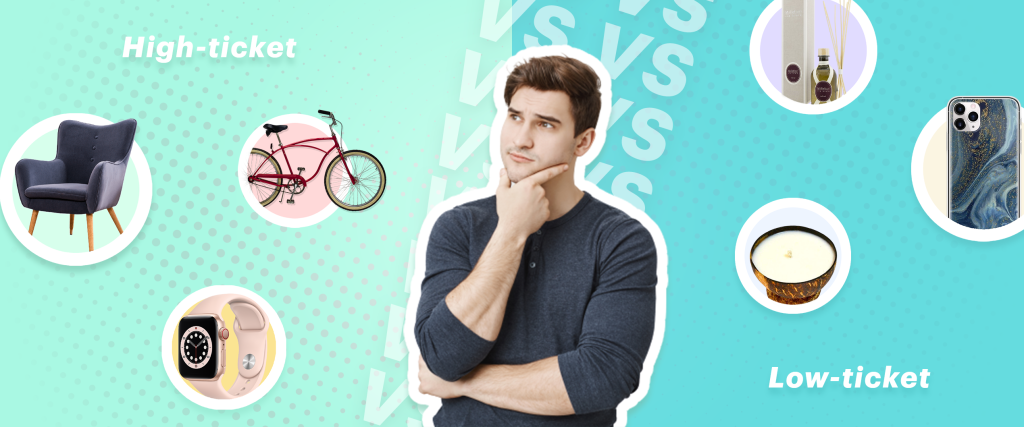
So, if you’re a photographer, a PT, a nail tech, a coach, or you sell low‑ticket products, a strong social presence can absolutely feel like enough.
But, here’s the uncomfortable truth…
Most people still expect a website.
I’ve gone down a bit of a rabbit hole searching for stats to back this statement up, and the data is pretty blunt. According to Clutch.co, 83% of small businesses now have a website, up from roughly two‑thirds a few years ago. So, it’s clear to see that the overall trend is towards having a website rather than not. Their studies also show that more than 80% of consumers view businesses with a website as more credible than those with only a social page.
Bookendstudio.com said that 62% of consumers won’t use businesses they can’t find online.
And let’s not forget that organic search is still doing the heavy lifting. Bookendstudio.com also said that 98% of consumers use the internet to discover local businesses, and 78% of location-based mobile searches result in an offline purchase.
Lovable.web said that search engines drive well over half of all visits to business websites, while social media contributes a small single‑digit percentage overall. So when you’re considering switching off your domain in favour of focusing more on social media, don’t forget the power of Google in helping you get your website seen by people who don’t yet know about your business.
Stats aside, think about your own behaviour. If someone recommends a lawyer, accountant or consultant to you, do you head straight to their Instagram or LinkedIn page, or do you type their company name into Google in the faint hope you can click on their website to find out more about them? If your business involves higher fees, regulation or trust, most of us want to see a proper site, not just a grid of posts.
But, I don’t want to peak too soon and tell you that you must have a website at all costs. There are some scenarios where a social‑only set‑up is workable.
When ‘no website’ can work (and when it really can’t)
If you’re a solopreneur or micro‑business with a small, stable client base, and most of your work arrives via referrals and networking, you might get away with not having a website for a while. This is especially true if what you sell is relatively low‑risk and lower‑ticket. Think yoga classes, handmade products, pet grooming, and kids’ party entertainment. Your audience is highly active on a single main platform and is comfortable booking and paying via DMs or links in your bio.

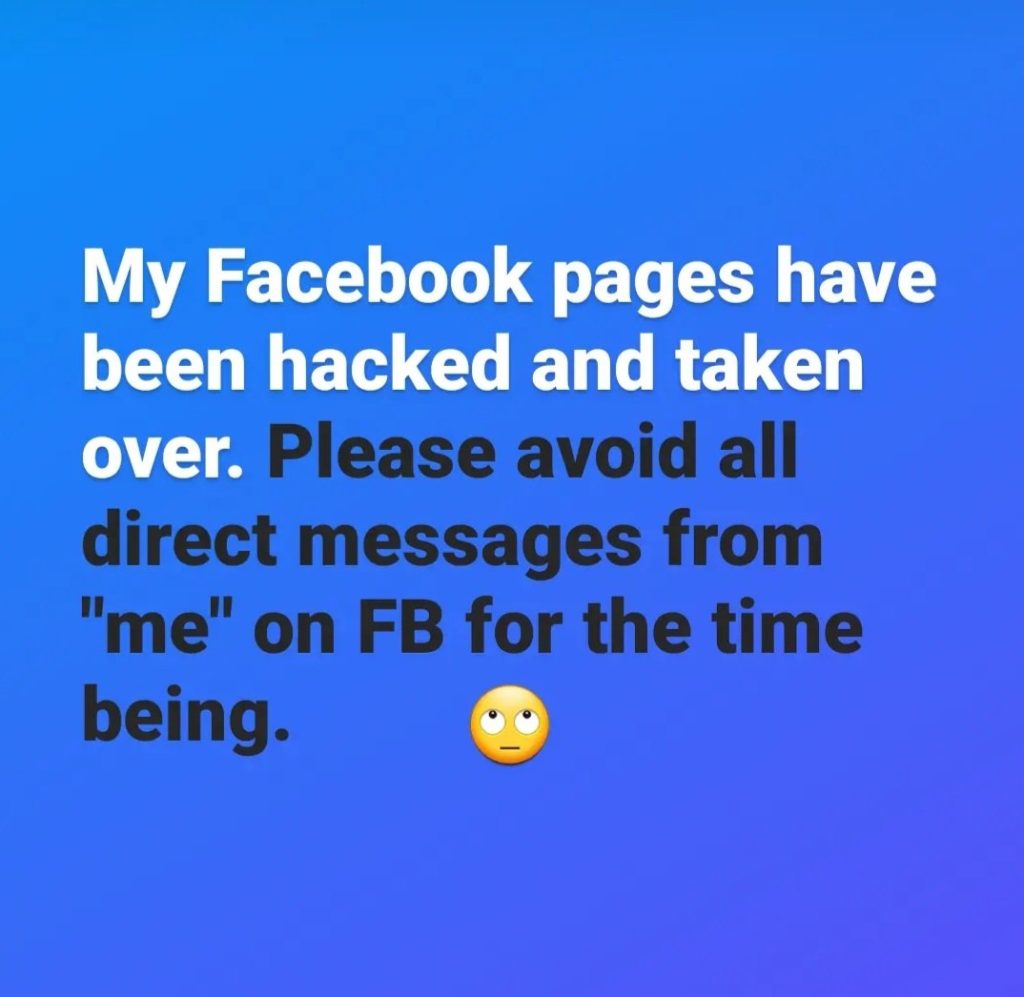
But it’s worth mentioning that if you rely on social media alone, you’re accepting some chunky risks. The biggest one is ownership. If Meta or LinkedIn changes its rules and restricts your account, or you get hacked, your ‘shop’ effectively closes overnight, and you don’t control any of it. I’ve seen businesses get locked out of their Facebook or Instagram pages for weeks with no human support, only for all their enquiries to suddenly dry up.
One of the biggest tips I can give you here is that if you rely solely on social media, you must have more than one admin assigned to your page. Even if you work just for yourself, ask your bestie to have admin access to your page (on the promise they won’t actually post). If your personal profile gets hacked, and you’re the only admin on the page, you won’t be able to access your business page.
There’s also the issue of visibility. Social profiles don’t rank as reliably or as richly in Google as well‑built websites do, especially for local or niche searches. If someone types ‘Jersey tax adviser’ or ‘Guernsey HR consultant’ into Google, they’re far more likely to see websites and directory listings than Facebook or LinkedIn pages.
And then there’s perception. For anything involving money, regulation or sensitive information, which let’s face it, covers most financial services, law and professional services, a missing or ropey website can make you look less professional. Rightly or wrongly, people equate a half‑decent website with ‘this business is professional and worth considering’. If you work in any of these sectors and you don’t have a website, you really need to reconsider.
Just think of the business potential you could be losing by not having a web presence. I appreciate that building a website can feel overwhelming, but the good news is you don’t need a 20‑page monster complete with video production and page animation.

For many small firms, a lean, well‑written site is more than enough. You need a clean home page that explains who you are, who you help and how. Think of it like your digital elevator pitch laid out clearly. You need a straightforward service or ‘what we do’ page that outlines your main offers in language a normal human would understand. You need a clear contact page with your phone number, email address, location, and links to your social channels so people can choose how to reach you.
If you have the energy, a small blog or resources section can help demonstrate your expertise, although it’s not essential. The point is that the site should feel like your digital office. One that you feel proud of and wouldn’t mind a few visitors visiting.
You can then look upon social media as a place to mingle and chat. You use LinkedIn or Instagram posts to start conversations and build familiarity, and then, when someone gets serious, you send them to your site to see the ‘grown‑up’ version of your business.
Sticking with social media only? Here’s how to make it work for you
Whether you have a website or not, social media can absolutely create interest, enquiries and sales, but only if you treat it like a proper channel, not an afterthought.
That starts with focus. You don’t need to be on every platform under the sun. For most Channel Islands’ businesses, LinkedIn is the no‑brainer main channel. If you’re more consumer or lifestyle‑focused, Instagram might be your hub, with Facebook still relevant for certain age groups and communities. Pick one primary platform and maybe one supporting channel, and commit to showing up there properly instead of half‑heartedly posting everywhere.
Next, you need to be consistent. Social media works best when you drip-feed content, not dump. What I mean by that is committing to posting two to five times a week with useful, relevant content. That will do more for you than a frantic burst of ten posts followed by radio silence for a month.
Then, make your profile actually earn its keep. Remember, the LinkedIn algorithm compares your posts to your profile, so ensure your profile aligns with your content. So what does that mean? On LinkedIn, that means a clear headline that explains what you do and for whom, not just your job title. A profile photo that shows you, not a cropped wedding snap; and an About section that talks about client problems and outcomes, not just your life story. On Instagram, it means a bio that spells out your offer and location, plus a link that points to something useful; your website if you have one, or a simple booking or enquiry link if you don’t.
You also need to remember that you shouldn’t just share content/post and hope that the right people magically know what to do next. Every so often, be explicit: invite people to book a call, sign up for your email list, download a resource, or message you for details. If you do have a website, link to specific pages that match what you’re talking about (for example, a service page, not just the homepage). If you don’t, point them to whatever the next sensible step is, such as a Calendly link, an enquiry form, or even a well‑structured DM conversation.
Social media is brilliant for visibility and trust‑building. A website and/or email list is where that visibility becomes more tangible.
So, having discussed the pros and cons of having a website, do you actually need one in today’s market?
The answer, in my humble opinion, is yes.
If you’re a teeny tiny business that relies mostly on referrals, you could probably survive without one. But only for a while.
Creating a simple, credible website you own and control is vital.
You’ll see, I mentioned control here. You wouldn’t believe the number of clients who approach me to build them a new website who say they either don’t have or know the login credentials to their content management system (website back-end), have lost contact with their web developer, or don’t know how to edit or build a new page. You must, must MUST have full control over your website and know how to adapt it.
What many people don’t realise when they ask someone to build them a website is the fact that they paid for it, but they don’t actually own it, and any further edits will be charged for. When I build a website, I ensure you receive training on how to edit and build a page, and I transfer ownership to you so you can self serve and feel assured that the investment you paid for is all yours.
Think about it like this:
Social media is your shop window, and your website is your office. So, you really need to have both to be truly successful.