
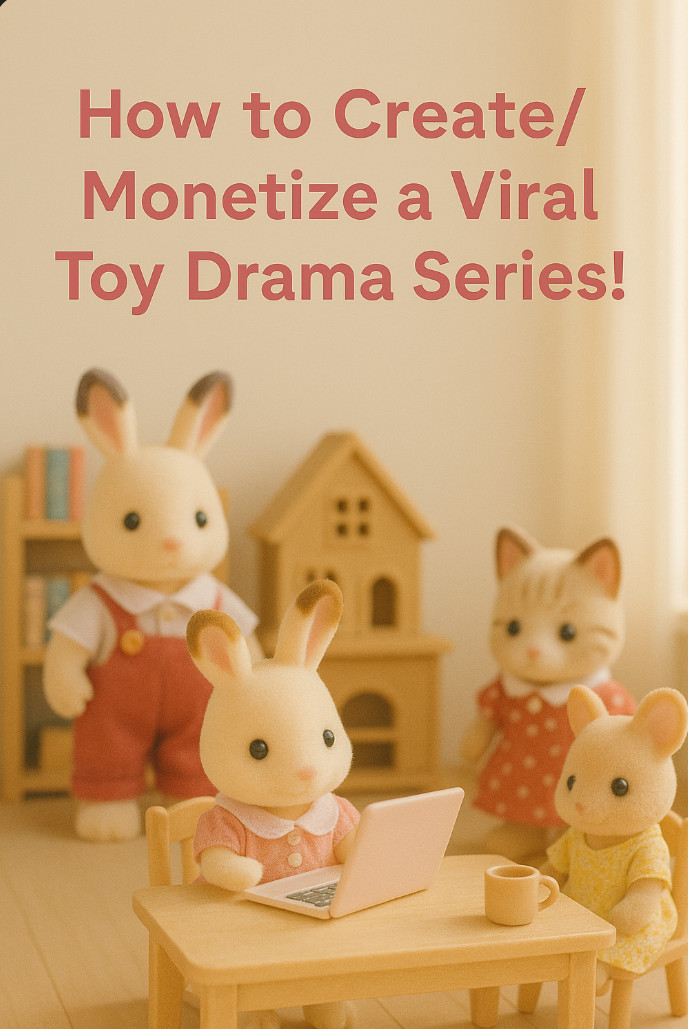
(NOTE! Nothing is this article should be construed as legal advice. ’cause it’s not. Not legal advice whatsoever. No IP has been harmed in this article).
Introduction
So. You watched one clip of SylvanianDrama (that is now not publishing anymore, it appears) and your soul whispered, “I, too, must create a miniature soap opera featuring plastic families yelling about imaginary debts and secret twins.”
Yeah, same.
These toy dramas are chaotic gold. They’re oddly relatable. Emotionally unhinged. And lowkey addictive. Like if Netflix and a preschool toy bin had a baby… and that baby knew betrayal, power moves, and dramatic zoom-ins.
But here’s the rub-a-dub in the dollhouse tub:
You can’t just grab any brand, slap a wig on a raccoon figure, and call it “Real HouseCritters of Plastic County.”
Because-lawsuits. Trademark trolls. Cease-and-desist letters written in Comic Sans.
That’s where this blog post kicks in like a caffeinated toddler on a Barbie scooter.
We’re going to show you how to:
-
Build a viral-worthy toy drama series using a different brand (spoiler: Knockoff toys knockoffs is our chaotic hero)
-
Set up your scenes, film, edit, and share without needing a film degree
-
Monetize the mayhem without being chased down by lawyers in tiny trench coats
Grab your coffee, your plastic camera crew, and your best fake cry. We’re about to enter the world of dramatic toy storytelling… legally.
How to Get Started
Step 1: Choose a toy brand that’s dramatic-but chill legally.
Sylvanian Families (aka Calico Critters in the U.S.) are adorable, but the copyright claws are real.
Instead, we’re using Bendable people knock-offs. Why? The figures are expressive, the sets are bonkers (haunted houses! dental offices!), and they’re less likely to get Disney-level lawsuity about it (mainly because you’re using knock-offs).
Step 2: Watch 5 popular toy dramas.
Seriously. This is your homework.
Find clips SylvanianDrama, mini telenovelas on TikTok, and even old-school doll stop-motion vids.
Take notes like a chaotic director on caffeine.
Step 3: Pick your niche flavor of drama.
Are you doing ‘Boarding School of Secrets’?
‘Middle-Class Mansion Meltdown’?
Or maybe: ‘Tiny Town Legal Scandal (featuring a judge with no pants).’
The weirder the better. Always.
Step 4: Sketch 3 characters and their baggage.
Like:
-
“Miranda, who sells bootleg lemonade and has 2 exes living in the shed.”
-
“Captain Bert, who faked his own death to avoid HOA fines.”
Make them dramatic. Broken. Weirdly specific.
Step 5: Plan your first 3-episode arc.
Not the whole season. Not the 90-part epic. Just 3 short episodes that build tension and leave your viewers screaming, “WHAT HAPPENS TO THE MINIATURE MALL?”
Yes. This is ridiculous. That’s the point.
Tools/Resources Needed
-
Dollhouse Bendable People: These are the stars of your show, darling. From grumpy grannies to smug toddlers, look for characters that are are expressive, weirdly posable, and come with preposterous accessories like hair dryers and golden goblets. They’re also less lawyer-happy than certain forest critters we shall not name.
-
Mini LED Video Lights: You can’t have dramatic tea spills in the dark. These lights make your scenes pop, your shadows mysterious, and your Knockoff toys eyes shine with regret. Essential for mood lighting and plot twists.
-
Flexible Phone Tripod: You need stability. Emotional and literal. This bendy tripod holds your phone steady for perfect shots, even when you’re filming behind a couch cushion or inside a Barbie refrigerator.
-
Miniature Props for Dioramas: You’ll need tiny furniture, foods, laptops, and probably a jail cell. These props turn “meh” scenes into masterpieces. Plus, a dramatic slap always looks better beside a miniature fruit basket.
-
Dollhouse Furniture Sets: Your Knockoff toys crew needs beds to cry in and kitchen counters to dramatically lean against. These sets give your drama real estate to unfold in style.
-
Tiny Fake Food Sets: Nothing says “betrayal” like a tiny untouched breakfast. Pancake stacks, sushi trays, and plastic wine goblets add life-and passive-aggressive brunch scenes-to your episodes.
-
Voice Changer Microphone: Want your lawyer squirrel to sound like a 1940s mob boss? Or the villainous poodle to have a sultry growl? This mic lets you go wild with voiceovers that match the madness.
-
Stop Motion Animation Book for Kids: Yes, it’s for kids. Yes, you need it. It’ll teach you stop-motion tricks without melting your brain, and your videos won’t look like a confused earthquake.
-
Miniature Paper Money: Someone’s always embezzling. Or paying hush money. Or flinging tiny bills in a custody battle. You’ll need these to add capitalist chaos to your storylines.
-
Craft Foam Backdrops: You can’t rely on your floor tiles for ambiance. Craft foam lets you make living rooms, dentist offices, nightclubs, or jail cells in a snap. Paint it, cut it, cry into it-it’s versatile and cheap.
Your 10 Step Action Plan
Step 1 – Pick Your Drama Flavor
[e1k]
First things first: you need to choose what kind of chaos you want to unleash. Will it be courtroom scandals in Tiny Town? A seaside betrayal in Mini Malibu? A daycare with secrets darker than night? Whatever genre tickles your Knockoff toys soul, commit to it like it’s a Netflix pitch meeting and you’ve got two minutes to wow the execs.
Don’t overthink it – go bold or go home. Pick a niche that makes you laugh or makes your eyebrows raise. This is not the time for subtle storytelling. Think fake affairs, mysterious inheritances, and tiny slaps that echo across TikTok. And yes, someone should definitely be trapped in a fake elevator.
Step 2 – Cast Your Plastic Performers
You’re not just picking toys. You’re selecting stars. Your cast needs to look like they’ve got baggage and act like they’re three minutes away from losing it in front of a toy mirror. Start with 3 to 5 main characters. Give them absurd backstories. Example: “Linda used to be a goat farmer until she accidentally married her cousin’s parrot.”
Pick characters who look distinct so viewers can keep track. Variety helps-add an old guy with a monocle, a kid with a weirdly oversized pizza slice, and a mom who looks like she sells essential oils aggressively. Introduce your cast like a reality show and watch people fall in love (or rage-comment) immediately.
Step 3 – Set Up a Mini Studio on the Cheap
Clear off a table, grab a big box, or take over the cat’s favorite sunbeam zone. Your filming setup doesn’t need to be fancy-it just needs to be stable, lit, and semi-contained. A shoebox can be a nightclub. A cereal box can be a hospital. Foam board and craft paper = your new best friends.
Use the LED lights and foam backdrops you got from the Tools section. Keep your sets modular. Hot glue some floors, tape in some walls, and swap out furniture between scenes. If you want bonus points, print out tiny posters or memes for the background. (Yes, “Live, Laugh, Lawsuit” totally belongs in Karen’s salon.)
Step 4 – Write the First 3 Episode Scripts
You only need three episodes to start. Not twenty. Not a full Pixar saga. Just three short, snappy episodes (1-3 minutes each) with clear plot twists and character development. Think of them like dramatic micro-telenovelas. Every episode should end with a gasp, a cliffhanger, or someone shouting “You’re NOT my real dentist!!”
Write in scenes:
-
Intro (awkward brunch)
-
Conflict (hidden love letter found)
-
Resolution (denial and table-flipping)
Use real human issues-but make them cartoonishly huge. Viewer relatability is key. Jealousy, ambition, betrayal, ungrateful raccoons-classic human drama in toy-sized packaging.
Step 5 – Record Voiceovers (and Make ‘Em Spicy)
You don’t need professional actors. You need volume, energy, and chaos. Use your voice, your dog’s voice, your neighbor’s karaoke voice-whatever works. Give each character a signature tone. Grandpa Larry? Gruff and gassy. Stephanie the barista? High-pitched and stressed. Mystery twin? Sounds suspiciously like everyone else but with a bad French accent.
Record voiceovers after filming or during. Free apps like Voice Recorder or Audacity are perfect. Add a little reverb for echoey monologues. Use your voice changer mic from Amazon if you want someone to sound like a villainous toaster. The more exaggerated, the better. These are plastic people with plastic problems-they live for the drama.
Step 6 – Film Using Stop Motion (or Cheater’s Motion)
Stop motion is glorious, but also? Tedious. You can absolutely do one-photo-at-a-time animation if you’re into that zen life. OR you can go chaotic good and film in real time while manually moving figures around like a caffeinated puppeteer. Either way, keep your camera steady with your tripod and plan out your shots in advance.
Use slow pans for tension, zooms for slap reveals, and overhead shots for dramatic collapses. If something jiggles or falls? Keep it in. Audiences love when things get weird. And don’t forget your golden rule: if it makes you laugh while filming, it’ll probably make your viewers obsessed.
Step 7 – Edit Like a Reality TV Intern on Red Bull
CapCut, VN, iMovie, or Shotcut-pick your favorite free video editor. You’ll want to trim scenes, add transitions, insert subtitles (YES! Do this!), and sprinkle in over-the-top sound effects. Think door slams, gasps, glass shattering, and emotional piano during lunch scenes.
Make each cut feel intentional, but not too polished. A little jank adds charm. Add title cards like “NEXT TIME ON MINI VILLA DRAMA” and end your episodes with slow zooms and dramatic silence. Viewers live for that second of awkwardness where nobody blinks.
Step 8 – Add the Legal Anti-Lawsuit Sprinkle
Now for the boring-but-vital part: keep yourself safe. Don’t use the official brand name in your series title. Use parody principles. Example: call your show “The Little Lives of Critter County” instead of “Calico Critters’ Sad Lives.” Use disclaimers like: “This is a parody. All characters are fictional and mildly ridiculous. Not affiliated with any toy brand.”
Avoid using copyrighted music-get royalty-free tracks from places like YouTube Audio Library or Free Music Archive. Keep your logos original. Don’t copy packaging or trademarked elements. Basically: make it funny, make it unique, and make sure you don’t look like you’re trying to sell the toys, just use them.
Step 9 – Upload to TikTok, Instagram, and YouTube Shorts
Time to unleash your drama upon the world. Start with TikTok-it loves episodic content. Use hashtags like #ToyDrama, #StopMotionSoap, and #TinyLivesBigDrama. Then cross-post to Instagram Reels and YouTube Shorts. Each platform has its own vibe, but your content should hit on all three.
Engage with every comment like you’re a cast member. Use your characters to respond. “Karen says she forgives you… but she’s watching.” Viewers love when the characters break the fourth wall. You’re building a fanbase here, one weird squirrel confession at a time.
Step 10 – Monetize the Madness
Once you’ve got views? Time to make the plastic pay. Add affiliate links to the toys you use (hello, Amazon commission). Offer “Behind the Scenes” content on Patreon. Sell custom scripts, host toy drama workshops, or even release a printable zine with the full drama arc.
You can also license your episodes, pitch the concept to toy lovers, or partner with other creators for crossover specials. Don’t sleep on merch either-create stickers of your characters with lines like “I’m Not Crying, I’m Just Plastic.”
Why not? The Internet is weird. Let your mini soap opera be its next obsession.
How to Avoid Getting Sued (a.k.a. Don’t End Up in Doll Court)
So, you’ve got your Knockoff toys chaos planned. The drama is juicy.
The characters are scandalous. One of them is faking a coma to escape avoid his construction job. Things like that.
But now you’re asking:
“How do I make this public without a giant toy conglomerate mailing me legal papers and a cease-and-desist note stapled to a smiling duck figurine?”
EXCELLENT question.
Here’s your reality: even if your videos are just for fun, companies can still get spicy if they think you’re messing with their trademarks, copyrights, or brands.
So let’s do this smart. Here’s how to fly under the radar (and still go viral doing it).