Introduction
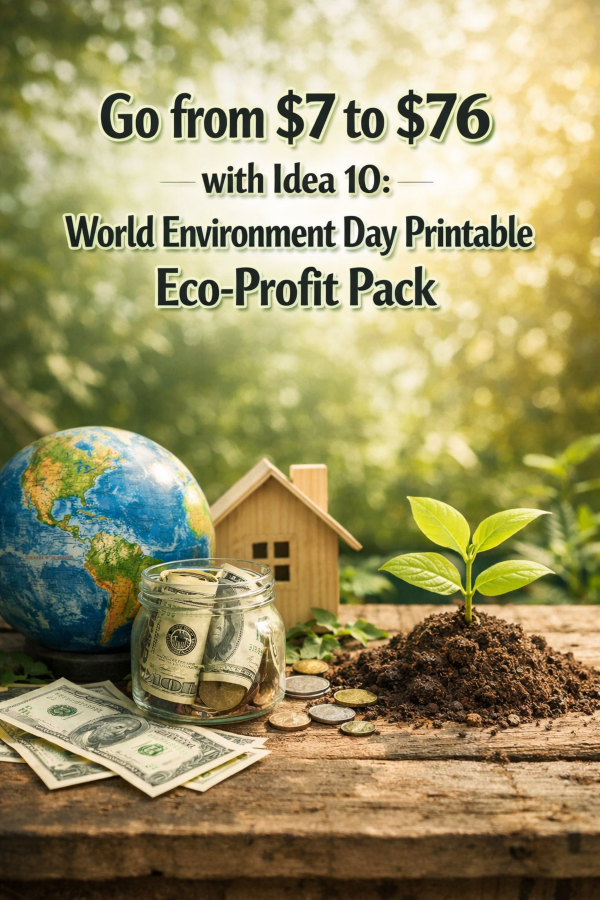
Some holidays arrive with a message that feels bigger than the day itself. World Environment Day on June 5 is one of those moments where people pause, look around, and think, “Alright, maybe I should be doing something slightly better for the planet.” Schools, families, offices, and community groups all lean into that energy at the same time.
That shared intention creates a very practical opportunity for printables. People want simple ways to participate without overcomplicating things. A printable that helps organize eco-friendly habits, track small changes, or create fun learning activities becomes incredibly useful. Useful things sell quietly and consistently.
And here is the clever part. You are not selling sustainability itself. You are selling an easy entry point into it. When something feels simple and achievable, people are far more likely to say yes.
Tools Required
- Canva
Create eco-themed planners, trackers, and activity sheets with clean layouts.
Beginner-friendly tools make design fast and approachable. - Placeit
Create mockups showing printables on desks, clipboards, or home setups.
Mockups help buyers visualize real-life use. - Creative Fabrica
Access nature icons, leaf graphics, and soft color palettes.
Better visuals increase perceived value. - Pinterest
Share eco tips, habit trackers, and printable previews.
Educational content performs well here. - Amazon Eco Planners
Browse sustainability planners for inspiration.
Existing products spark better ideas.
Your 10 Step Action Plan
Step 1: Research Eco Trends
Search for environment day activities for kids and observe what people focus on. Look for patterns like recycling, conservation, and small habits.
Patterns reveal demand.
Demand shapes your product.
Step 2: Choose a Printable Theme
Create an “Eco Habit Tracker & Activity Pack.” Include trackers, checklists, and learning pages.
Themes create clarity.
Clarity improves sales.
Step 3: Design Core Pages
Open Canva and design simple, clean layouts. Use calming greens and neutral tones.
Keep designs easy to use.
Simple designs win.
Step 4: Add Practical Tools
Create pages like recycling trackers, water usage logs, and eco challenges. Practical tools sell.
People want actionable steps.
Action sells.
Step 5: Export as PDF
Export your printable as a clean PDF file. Ensure everything prints properly.
Always test your file.
Testing prevents issues.
Step 6: Create Mockups
Use Placeit to show your printable in a home or classroom setting. Context matters.
People imagine using it.
Imagination drives purchases.
Step 7: Upload to Marketplaces
Upload your printable to Etsy or Gumroad. Both platforms support digital downloads.
Price between $7 and $12.
Keep pricing simple.
Step 8: Write a Clear Description
Explain how your printable helps build eco-friendly habits. Highlight included pages.
Clarity builds trust.
Trust leads to sales.
Step 9: Promote Visually
Create pins on Pinterest showing eco planners and trackers. Visual content attracts attention.
Link directly to your listing.
Short paths convert.
Step 10: Expand Into More Themes
Create additional printables like gardening planners, zero-waste trackers, and sustainability journals. One idea expands easily.
Expansion builds product lines.
Product lines build income.
5 Great Ways to Get In Front of Customers
Pinterest Eco Boards
Create boards focused on sustainable living and eco tips. People search here regularly.
Share helpful ideas.
Never spam communities.
Green Living Blogs
Eco blogs share sustainability resources. Offer your printable as a helpful tool.
Helpful tools spread quickly.
Spread brings traffic.
Community Groups
Participate in sustainability discussions. Share tips naturally.
Helpful voices earn trust.
Trust leads to sales.
Short Educational Videos
Create clips showing eco habits using your printable. Visual learning works well.
Education attracts viewers.
Viewers become buyers.
Email Freebies
Offer one free tracker page to build an email list. Free samples attract interest.
Interest builds audience.
Audience builds income.
5 Super Creative Tips to Make Money
Create an Eco Series
Expand into planners for recycling, gardening, minimalism, zero waste living, energy saving habits and more.
Series products encourage repeat buyers.
Repeat buyers matter.
Bundle Eco Kits
Combine multiple eco printables into a single bundle. Bundles feel valuable.
Higher value supports higher pricing.
Pricing affects profit.
Add Challenge Pages
Create 7-day or 30-day eco challenges. Challenges increase engagement.
Engagement increases value.
Value sells.
Offer Editable Versions
Create customizable trackers for personalization. Flexibility increases usefulness.
Flexible products attract buyers.
Customization works.
Create Kids Versions
Add child-friendly activity sheets about nature and conservation. Parents love educational tools.
Family-focused products sell well.
Kids content expands reach.
Your Next Steps
Start by creating a simple eco habit tracker in Canva. Focus on clarity and usefulness.
Keep it simple.
Simple works.
Upload your printable to Etsy and observe buyer behavior. One product teaches a lot.
Learning builds skill.
Skill builds income.
Then create another variation. Consistency matters.
Consistency builds momentum.
Momentum builds income.
Conclusion
World Environment Day may feel meaningful, and meaningful products sell consistently. People want simple ways to make better choices.
Simplicity sells.
Simplicity spreads.
Your printable becomes a small tool for change. A tracker, a checklist, a simple step forward.
That matters.
And that sells.
PS: Useful Resources!
Explore these links to spark ideas and validate demand.
- Search eco printables on Etsy
- Search eco templates on Canva
- Explore eco planners on Pinterest
- Find eco communities
- Browse eco planners on Amazon
Does this idea intrigue you? If so, what will you choose to start today?
Enjoy!