Introduction
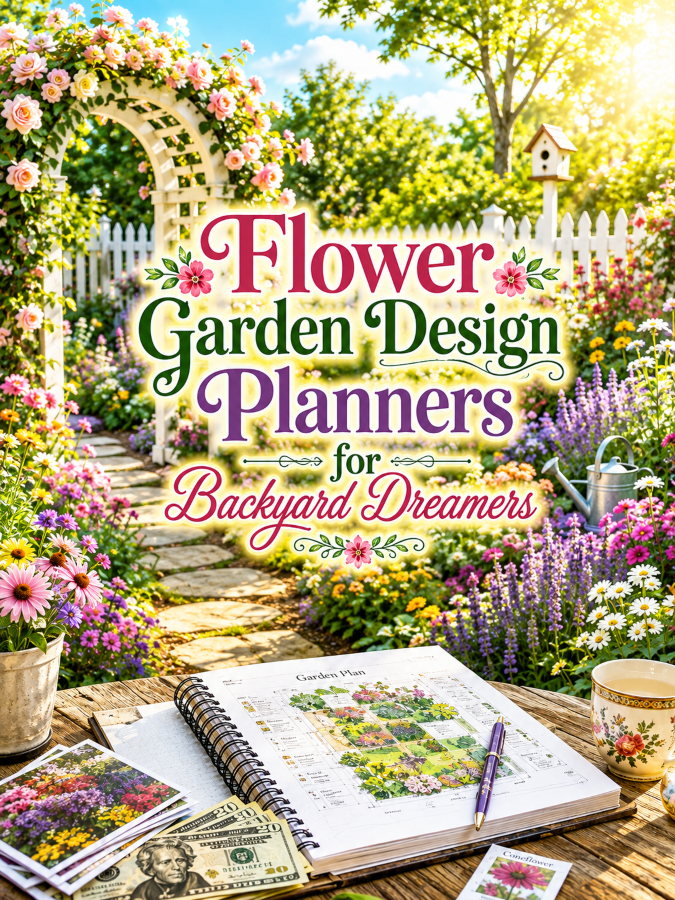
There is something wonderfully optimistic about planning a flower garden.
You start with an empty patch of soil and somehow see an explosion of color, winding paths, buzzing pollinators, overflowing borders, beautiful containers, and that one magical corner where you will absolutely sit with a cup of coffee every morning.
Then reality arrives.
Which flowers go where? How tall will they become? Which colors work together? What blooms first? What blooms later? How much sunlight does the space receive? How many plants will actually fit? And why did the “tiny” plant on the label suddenly become a botanical skyscraper?
That’s where Flower Garden Design Planners can become surprisingly valuable.
A well-designed garden planner gives backyard dreamers a place to sketch layouts, organize flower selections, record growing conditions, plan color palettes, map planting areas, track purchases, document bloom periods, and refine their garden design before putting a shovel into the ground.
That’s Not a Good Thing when someone spends money on plants only to discover that the beautiful arrangement in their imagination doesn’t quite fit the actual garden. But it becomes a very Good Thing when your printable helps turn an exciting vision into an organized plan.
Flower-garden planning appeals to homeowners, renters with containers, beginner gardeners, experienced gardeners, cottage-garden enthusiasts, pollinator-garden fans, cut-flower growers, landscape hobbyists, and anyone who has ever looked at their backyard and thought, “This could be so much prettier.”
And that last group is enormous.
One thoughtfully designed Flower Garden Design Planner can become the foundation of a profitable printable business covering garden layouts, flower inventories, planting plans, color palettes, bloom calendars, garden journals, seasonal planning, and backyard landscaping organization.
Quick Answer
Flower Garden Design Planners are downloadable planning systems that help gardeners organize flower selections, garden layouts, planting areas, color schemes, bloom periods, garden features, supplies, and seasonal tasks.
A starter planner can sell for around $7. Expand it into flower garden design workbooks, bloom calendars, plant inventories, garden journals, pollinator-garden planners, cut-flower systems, and complete backyard garden bundles priced at $27, $47, or even $77.
Your customers aren’t simply buying garden worksheets. They’re buying a way to take the garden they imagine and turn it into something they can actually plan, plant, and refine.
Why This Niche Works
Flower gardening combines creativity and organization. Gardeners aren’t simply growing plants. They’re designing an outdoor experience.
They may care about color combinations, bloom succession, plant height, textures, pathways, focal points, borders, containers, seating areas, pollinators, fragrance, and seasonal interest.
That creates countless opportunities for practical planning pages.
A gardener may want to compare flower varieties, sketch a border, plan a color scheme, estimate the number of plants needed, document where everything was planted, and remember which combinations looked spectacular.
A planner gives those ideas somewhere to live.
That’s always a Good Thing because creative projects become much easier to manage when the ideas stop floating around in the gardener’s head and start appearing on paper.
There’s also a strong repeat-use opportunity. Gardens evolve. Plants mature. Colors change. Gardeners experiment. New beds get added. Containers move. Seasonal flowers come and go.
A planner can therefore become a long-term garden companion rather than a one-season worksheet.
Once customers discover your Flower Garden Design Planners, they’ll naturally become interested in garden journals, flower inventories, planting calendars, bloom trackers, color-planning worksheets, pollinator-garden resources, and countless related thingees.
One successful flower-garden planner can easily grow into an entire gardening-printable brand.
Prior to pouncing upon this opportunity, you should first know all about the:
Tools You’ll Need
You don’t need to be a professional landscape designer to create useful planning resources for backyard gardeners. You need a practical design platform, research tools, and simple systems for marketing and selling your finished printables.
- Canva for designing flower-garden planners, garden maps, planting worksheets, bloom calendars, and garden journals.
- Google Docs for organizing planner content, flower-planning prompts, product ideas, and research notes.
- AWeber for building an email list with garden-planning tips, printable freebies, seasonal resources, and product announcements.
- GetResponse for newsletters, promotions, automated campaigns, and customer follow-up.
- Gumroad for selling downloadable garden planners, flower journals, planting systems, and gardening bundles.
- Teachable if you’d eventually like to teach garden design, backyard planning, flower selection, or seasonal garden organization.
- Amazon Flower Garden Planner Research for discovering which flower journals, garden planners, and design features gardeners are already interested in.
Don’t spend three weeks deciding whether the imaginary cottage garden needs 14 roses or 16 while your customer is still trying to figure out where the sun hits her backyard. Your future customers care much more about practical planning than decorative flower graphics.
Make the planner beautiful. It should feel inspiring. But most importantly, make it useful.
Next, move to:
Your 5-Step Action Plan
Follow these five steps unless you’d rather watch another printable creator become the backyard-garden organization expert everyone recommends. The smartest entrepreneurs create products around the recurring decisions gardeners make before, during, and after planting.
Step 1. Research Real Flower-Garden Planning Challenges
Spend about 90 minutes exploring gardening Facebook groups, flower-gardening communities, Reddit discussions, Pinterest boards, gardening blogs, YouTube channels, and reviews of existing garden planners.
Pay attention to conversations about flower combinations, garden layouts, plant spacing, sunlight, bloom times, color schemes, borders, containers, pollinator gardens, cut flowers, seasonal interest, and garden maintenance.
Create a master list containing at least 40 to 50 printable pages. Include garden maps, flower inventories, planting plans, color palettes, bloom calendars, plant-profile pages, shopping lists, garden-maintenance schedules, and seasonal review sheets.
Your research becomes an X-ray machine that reveals where backyard dreamers need practical organization.
Step 2. Build Your Core Flower Garden Design Planner
Create a collection containing 50 to 70 pages that guides gardeners from inspiration through planting and review.
Include garden goals, available space, sunlight observations, garden measurements, design inspiration, flower selections, color palettes, plant heights, bloom periods, planting locations, supply lists, and seasonal notes.
Keep every page simple, practical, and easy to use because simplicity is always a Good Thing.
Include a garden-status system such as Dream → Sketch → Plan → Purchase → Plant → Grow → Bloom → Review. This gives gardeners a visual way to track the evolution of their garden.
Step 3. Create Specialty Editions
Build separate planners for cottage gardens, pollinator gardens, cut-flower gardens, container gardens, small backyard gardens, perennial borders, annual flower gardens, and beginner flower gardens.
You can also create specialty editions for spring planting, summer color, fall gardens, wedding gardens, fragrance gardens, butterfly gardens, or gardens designed around particular color themes.
Specialized editions immediately feel more valuable because customers can see their own dream garden reflected in the product.
Step 4. Add High-Value Bonuses
This is where your Flower Garden Design Planners begin standing out from the thundering herd.
Include garden-map templates, flower-selection worksheets, color-palette planners, bloom calendars, plant-inventory pages, garden-shopping lists, garden-maintenance checklists, and seasonal review pages.
Add a “Dream Garden Mood Board” page where customers can record favorite colors, flower shapes, textures, structures, garden features, and inspiration photographs.
Then create a “What I Would Change” page for the end of the season. Garden design is rarely perfect on the first attempt, and that is completely fine.
Those bonus thingees require relatively little additional design work yet can dramatically increase the perceived value of your product.
Step 5. Build Your Product Ladder
Launch your starter Flower Garden Design Planner for $7 and let it become the foundation of a growing gardening-printable business.
Expand into garden-map systems around $17, flower-selection workbooks around $27, complete garden-design binders around $47, and comprehensive backyard-garden libraries approaching $77.
Every additional product naturally complements the others while encouraging repeat purchases.
Before long, your business won’t simply be selling garden worksheets. You’ll be helping backyard dreamers organize flower ideas, design garden spaces, plan seasonal color, document plantings, and create gardens that become more thoughtful with every season.
Once you’ve figured out all of the above, the next step is implementing:
3 Ways to Stand Out From The Thundering Herd!
The flower-garden printable market already has planting calendars, garden journals, and basic garden layouts. The Good Thing is that many of them focus on plants without helping customers think like garden designers. Your opportunity is to make the planner feel like a creative studio for the backyard.
Way 1. Build a “Dream to Garden” Design Process
Give customers a clear progression from inspiration to an actual planting plan.
Create sections such as Dream → Gather Inspiration → Measure → Design → Select Plants → Purchase → Plant → Review.
Begin with a dream-garden worksheet where customers can describe the atmosphere they want. Do they imagine a romantic cottage garden? A structured border? A colorful pollinator space? A calm white-and-green garden? A cutting garden overflowing with flowers?
Then move them into practical planning pages where those ideas become measurements, plant selections, layouts, and shopping lists.
That’s always a Good Thing because it lets the customer keep the fun part of garden design while giving the project enough structure to actually happen.
Way 2. Make Color Planning a Hero Feature
Flower gardens are visual. Use that to your advantage.
Create color-palette pages where gardeners can experiment with combinations such as warm colors, cool colors, complementary shades, monochromatic schemes, or whatever combination inspires them.
Give them room to paste flower photographs, draw swatches, or record plant names beneath each color.
Add a “Bloom Through the Season” page where customers can organize flowers by approximate bloom period so they can think about how the garden may change throughout the year.
The result feels much more like a creative design workbook than an ordinary garden checklist.
Way 3. Design for the Whole Backyard Experience
Flowers are only part of a garden.
Give customers optional planning sections for paths, seating areas, containers, trellises, garden structures, focal points, borders, lighting, decorative elements, and spaces for pollinators.
Don’t turn the planner into a professional landscape-design manual. Simply provide prompts that encourage customers to consider how they want the space to look and function.
Now your planner becomes a backyard vision tool rather than a list of flowers.
It’s one of the easiest ways to rise above the thundering herd.
Next, here’s the thing. You’re probably NOT the only person offering this service. So you now require:
3 Nifty Ways to Find Customers
Your ideal customers are already browsing flower combinations, backyard inspiration, garden layouts, landscaping ideas, pollinator gardens, cottage gardens, and beautiful outdoor spaces. The challenge isn’t finding garden dreamers. The challenge is showing them that your planner can help turn inspiration into an organized project.
Way 1. Flower Gardening Communities
Flower-gardening Facebook groups, backyard gardening communities, gardening forums, Reddit communities, local garden clubs, and cottage-garden groups are excellent places to introduce useful resources.
Offer a free garden-map template, flower-planning worksheet, color-palette page, or seasonal garden checklist before recommending your complete planner. Helping first builds trust much faster than immediately promoting a paid product.
These communities are also wonderful sources of product research. Pay attention when gardeners ask about planning borders, combining colors, remembering plant names, organizing flower purchases, or keeping track of what bloomed when.
Every recurring question is potentially another printable.
Way 2. Pinterest
Pinterest is practically tailor-made for flower-garden products because users constantly search for garden layouts, cottage-garden ideas, flower combinations, backyard landscaping, pollinator gardens, garden color schemes, and planting inspiration.
Create attractive pins featuring garden-map pages, color-palette worksheets, flower-planning spreads, bloom calendars, mood boards, and sample garden layouts.
Because Pinterest content can continue appearing in searches long after publication, a useful collection of flower-garden pins can keep bringing potential customers to your shop. Trust me, you’ll thank me later.
Way 3. Garden Designers and Gardening Creators
Garden bloggers, landscape designers, flower farmers, gardening YouTubers, garden coaches, local garden clubs, and horticultural educators already have audiences interested in creating beautiful outdoor spaces.
Reach out with affiliate partnerships, workshop bonuses, printable bundles, freebie collaborations, or garden-planning resources that allow them to recommend your planner.
A garden designer could use your worksheets during a beginner workshop, while a gardening creator could demonstrate how a color-palette page helps customers plan a cohesive flower border.
Those collaborations introduce your printable to people who already trust the person teaching or inspiring them.
Speaking of long-term growth, now let’s move to:
3 Takeaways You Won’t Find Elsewhere!
Many printable creators think they’re selling garden worksheets. The most successful entrepreneurs understand they’re helping people visualize and organize a space they genuinely want to enjoy.
That difference gives your Flower Garden Design Planner much greater emotional and practical value.
Takeaway 1. You’re Selling the Garden People Imagine
Your customers aren’t purchasing pages simply because they need somewhere to write down the name of a flower.
They’re investing in the ability to take a vague backyard dream and make it tangible.
A mood board, garden sketch, color palette, planting plan, and seasonal calendar allow the customer to see the garden before it exists.
That’s powerful because planning becomes part of the pleasure rather than merely another chore.
Takeaway 2. Garden Design Is an Ongoing Experiment
Even a beautifully planned garden will change once the plants begin growing.
Some flowers may be shorter than expected. Some colors may work beautifully together. Others may clash. A particular border may need more height, more texture, or a completely different plant.
Give customers space to document those discoveries.
A seasonal review page can ask what they loved, what surprised them, what bloomed well, what needs moving, and what they want to change next year.
This turns your planner into a long-term design journal.
Takeaway 3. One Planner Can Become an Entire Garden Brand
Your Flower Garden Design Planner can naturally expand into garden journals, flower inventories, planting calendars, bloom trackers, garden-map systems, pollinator-garden planners, cut-flower planners, container-garden workbooks, and seasonal garden-design collections.
Those connected thingees encourage repeat purchases because each resource supports another part of the gardener’s creative journey.
Before long, backyard dreamers won’t simply recognize your garden planner. They’ll know your shop as a dependable source of beautiful, practical resources for planning and documenting gardens.
Now that you know the above, it’s time for:
3 Common Mistakes to Avoid
Many creators make garden planners too rigid. That’s Not a Good Thing. Every backyard is different. Give customers flexible layouts, blank maps, adaptable planning pages, and space to make the system their own.
Some sellers make the planner look beautiful but forget usability. A garden planner can have gorgeous floral graphics and still be frustrating if there isn’t enough room to write, sketch, or record plant information. Beauty should support the planning process, not compete with it.
Others stop after creating one garden planner. That’s like opening a garden shop with one packet of marigold seeds. Continue expanding into flower inventories, bloom calendars, seasonal journals, pollinator gardens, cut-flower systems, and garden-maintenance resources to create a much stronger printable business.
What else should you know? How about:
Scaling Your Results
Expand into a complete flower-garden ecosystem. Create garden-map planners, flower inventories, bloom calendars, color-palette workbooks, seasonal garden journals, pollinator-garden planners, cut-flower planners, container-garden systems, and garden-maintenance organizers that naturally complement your original Flower Garden Design Planner.
Every additional printable strengthens your catalog while encouraging repeat purchases from gardeners who want to organize different aspects of their backyard projects.
You can also create specialized collections for cottage gardens, butterfly gardens, pollinator gardens, monochromatic gardens, small spaces, container gardens, perennial borders, annual displays, and cut-flower gardens.
Create a Backyard Garden Design Club. Release fresh printable resources every month featuring seasonal planning pages, flower-selection worksheets, garden challenges, color-planning exercises, bloom trackers, and garden-review prompts.
Members receive fresh reasons to continue developing their outdoor spaces while your business benefits from dependable recurring revenue.
Build an email list gardeners genuinely appreciate. Share garden-design prompts, color-planning ideas, planting worksheets, seasonal checklists, garden-map templates, and free mini-planners throughout the year.
A collection containing 40 flower-garden-focused printable products could realistically generate an additional $700 to $2,200 each month through memberships, bundles, repeat customers, and affiliate partnerships. Trust me, you’ll thank me later.
Let’s now wrap up everything via the:
Your Next Steps
Start by listing everything a backyard dreamer needs to consider from the first spark of inspiration through the end-of-season garden review.
Think about the garden’s purpose, available space, sunlight, measurements, colors, flower selections, plant heights, bloom periods, layouts, garden features, purchases, planting, and seasonal observations.
Those recurring decisions will naturally become the foundation of your printable collection.
Design your first Flower Garden Design Planner in Canva using clean layouts, generous writing space, garden-map templates, color-planning pages, mood boards, plant-selection tables, and consistent branding that can easily expand into future gardening products.
Focus on making the planner genuinely useful rather than filling every page with enormous roses and decorative vines. Functional garden-design tools almost always become customer favorites.
Then introduce your planner to five flower-gardening communities, Pinterest boards, garden clubs, gardening creators, or backyard-design communities.
Remember, 5 good messages beats 50 generic ones every single time.
One thoughtfully designed Flower Garden Design Planner can quietly become the beginning of an entire gardening-printable business.
Next, let’s finish with:
Final Thoughts
A flower garden begins as an idea long before it becomes a collection of plants. Someone imagines colors, textures, scents, pathways, blooms, pollinators, seating areas, and a backyard that feels just a little more magical.
A well-designed Flower Garden Design Planner gives that imagination somewhere to go.
It helps gardeners turn inspiration into sketches, sketches into planting plans, and planting plans into gardens that can evolve over time.
That’s an incredible transformation from a simple printable product.
So, begin by creating one planner that solves one meaningful garden-design challenge exceptionally well. Continue listening to customer feedback while expanding your collection into matching flower inventories, bloom calendars, garden journals, color-planning systems, pollinator resources, and seasonal garden workbooks that naturally work together.
You don’t need bazillions of unrelated printables to build meaningful income. You simply need one thoughtfully designed Flower Garden Design Planner that helps backyard dreamers stop staring at an empty patch of lawn and start creating a garden they can actually see on paper.
That’s it. That’s your beginning!
If you were creating your first Flower Garden Design Planner tomorrow morning, would you design it for cottage-garden dreamers, beginner gardeners, pollinator-garden enthusiasts, cut-flower growers, small-space gardeners, or homeowners ready to completely transform their backyard?
Enjoy!