DEAR PET TALK: Now that the clocks are turning back, what should I expect from my pets in terms of behavior and feeding? Help! — TIME-STRESSED
DEAR TIME-STRESSED: You and me both. The maddening continuation of a truly antiquated practice that was devised at a time when we all lived in an agrarian society keeps us all hostages to seasonal affectiveness disorder.
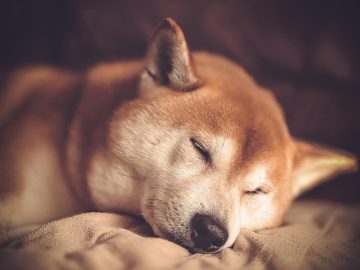
As you’ve noted, changing routines causes stress. Let’s take dogs first: understand that your dog is not going to be in sync with the human-determined time, but will remain in harmony with the ancient rhythms of the sun.
American Kennel Club Chief Veterinarian Dr. Jerry Klein explains: “Dogs respond to daylight, and they wake when the sun rises and sleep when it’s dark. Do they count down the hours to make sure they get eight hours of sleep? Of course not. But their physical and behavioral processes are in sync with the sun.”
Some dogs may show confusion; is your pet grumpy or snappy? Are they “telling” you they’re upset by increased grumbling, growling, howling or crooning? If that’s the case — and even if not, consider feeding your dog a few minutes earlier than usual — if you can. So if 6 p.m. is the expected dinnertime, make it 5:45, and then 5:30, and so on.
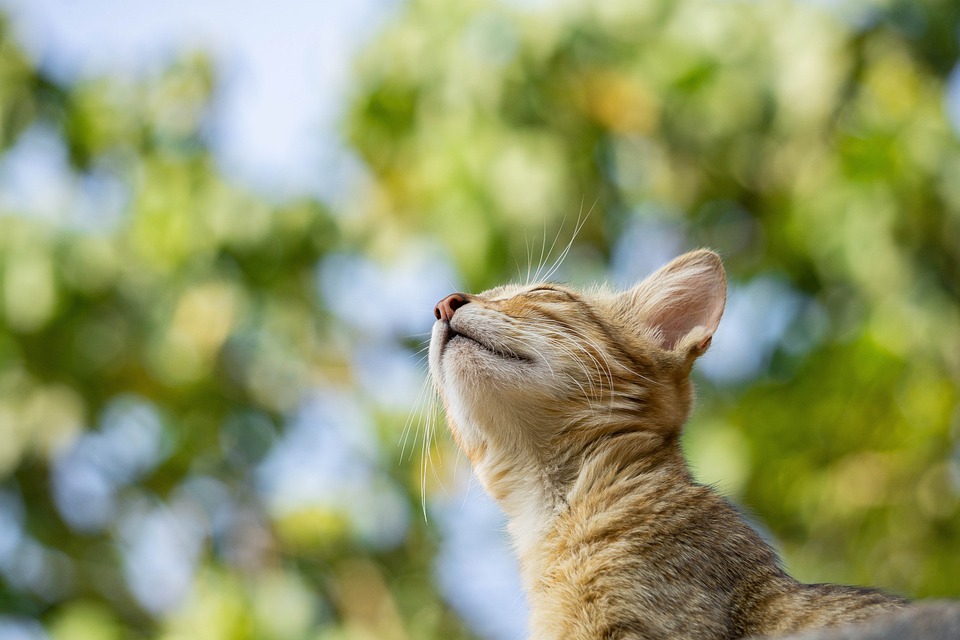
As for cats — well, as I write these words, our cat Vinnie (a four-year-old orange tom, and as excitable as any orange cat) has jumped on my desk multiple times, tried to type on the keyboard, turned around, presented his tail to my face, then wandered to the bamboo plant, then stared at me and then taken a bite. At that point, I gave up, and went to the kitchen to prepare dinner for him and Reggie (his brother-from-another-mother).
Cat guru Jackson Galaxy notes in many videos, “your cat follows the sun every day.” Thus, napping sites may shift, depending on the sunbeams pouring through your windows. And so, when the sun comes up, your cat gets up, and when the sun goes down, your cat goes down (briefly, before the nightly stalking-playing-disco-dance phase of the day).
Cats have a faster metabolism than most dogs, so time feels like it’s moving more slowly between meals. However, if you can avoid it, do not succumb to the “grazing” system, where dry food is left out 24/7. Stick to your routines, and for your own oxytocin/dopamine benefits, spend more time with your pets during this period of increased (and, in my opinion, thoroughly senseless) darkness.
Sally Cragin is the director of Be PAWSitive: Therapy Pets and Community Education. Send questions to sallycragin@gmail.com