

Airlines are such a bad business that the smartest startup strategy is probably not building the most beautiful premium carrier, but finding a way to lose less money than everyone else. If I had to start one anyway, I would skip the glamorous dream model and focus on underserved leisure routes, modest costs, and selling more of the trip than just the seat.
Last summer One Mile at a Time laid out the U.S. airline he’d start and it was basically a premium-focused carrier flying Airbus A321neos and A220-300s, operating on premium routes with a three-cabin configuration including true first class akin to long haul business class, and with strong points, upgrades and upsells.
He argued that while most startups obsess over cost, he’d try to win on revenue, differentiation, and premium merchandising. And I would love to fly this airline as a customer!
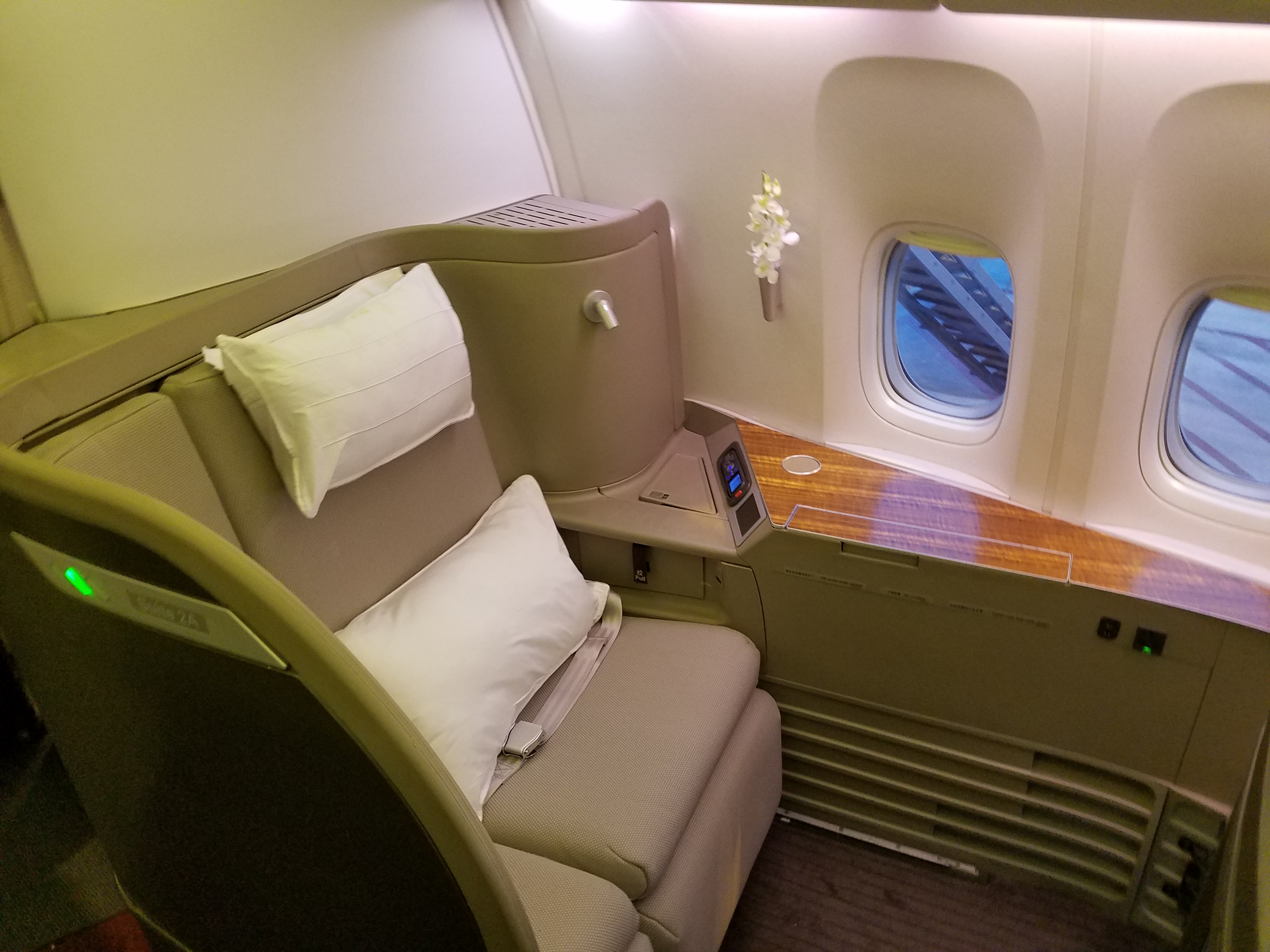
Mulling over what possibilities there are for the Spirit Airlines fleet if they liquidated, and assuming arguendo that those planes remained in the United States (the most valuable opportunities might not be here) it occurred to me that I’d go about things in the exact opposite direction from Ben.
Airlines Are A Terrible Business – And Startup Airlines Are Even Worse
Airlines are a huge capital investment, heavily regulated, and heavily unionized. And there’s very little moat. That’s why they’ve done so poorly over time. There’s little durable advantage that can be sustained.
They don’t earn high margins. It’s no surprise that airlines whose business is mostly flying do not make money, and most of the money in the industry today is made selling the idea of travel in partnership with bank issuers of credit cards.
And a startup airline is going to have a hard time generating that kind of revenue, because they’re small and cannot take customers all over the world and don’t have major airline partnerships to do this either. There’s little to inspire this irrational loyalty.
It’s been my view for decades, but the best pure expression of the idea might have been referencing the JetBlue-Spirit Airlines merger and asking why on earth they would do this? On July 29, 2022 I suggested that JetBlue shouldn’t buy Spirit Airlines – they should exit the airline business entirely instead.
JetBlue should consider pivoting away from the airline business if they can’t earn a good rate of return in the airline business. Surely they’d even do better for shareholders by giving the cash used in the Spirit deal to Jack Bogle.
- The acquisition of Spirit was set to cost about $3.8 billion.
- The S&P 500 is up about 75% since the day I wrote that.
- $3.8 billion then, invested as I suggested just in broad-based stocks, might be worth about $6.65 billion.
- JetBlue’s market cap at the time was $2.7 billion. After a recent run-up in share price (65% in a year, 23% year-to-date), JetBlue’s market cap has rebounded to $2.1 billion. That’s still 22% below where it was when I suggested giving up on the airline industry and that they should just invest elsewhere.
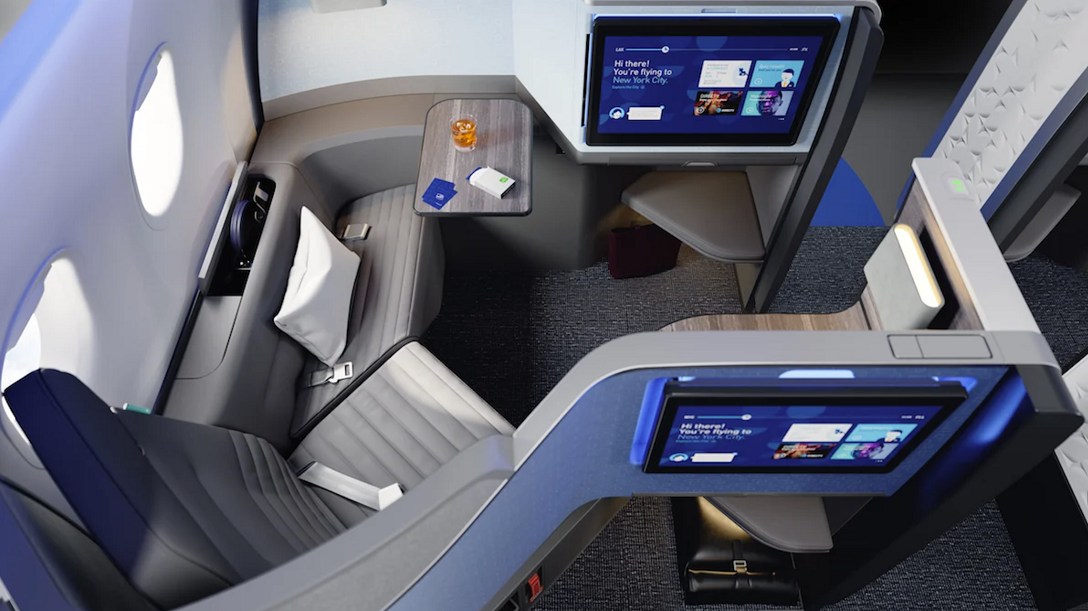
Maybe JetBlue should have leaned into Ben’s strategy! It already flies the A321neo. It has Mint. It has access to New York, Boston, South Florida, Los Angeles and the Caribbean. And they could have done real monetization of upgrades, loyalty, and premium bundled services.
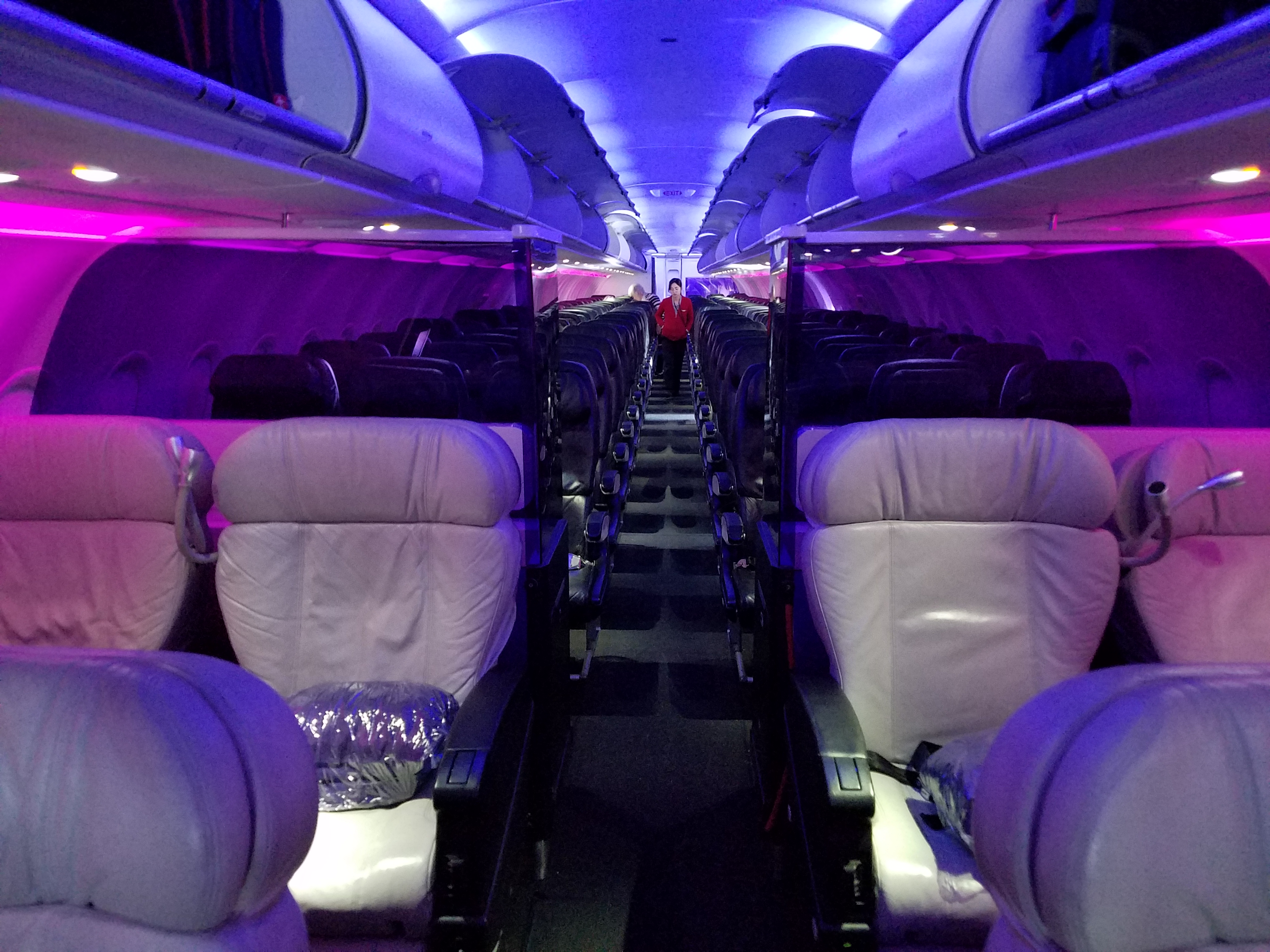
Although I’d flag that Virgin America was closest to this in some ways (better than legacy front cabin, good food, modern and stylish with friendly crews), had a strong presence in San Francisco and access to congested airports, but didn’t really make money. They didn’t have a strong points program, of course.
If I Had To Start A U.S. Airline Here’s What It Would Be
The truth is there’s money to be made serving the airline industry, such as in maintenance. A startup won’t make that money. There’s money to be made selling financial products around the industry. But you’re not going to do either one until reaching true scale. So maybe this is a pointless exercise.
If I were trying to actually make money flying airplanes, terrible business that it is, here’s what I would do: non-daily service from state capitals, that are home to educational institutions and either major companies or medical centers (a variant of ‘feds, eds, and meds’ which suggests stable moderate-to-higher income and generous vacation time), that currently lack non-stop service to major leisure destinations. Pickings are slim! But routes might look something like:
- Las Vegas: Baton Rouge, Tallahassee, Lansing, Albany, Madison
- Orlando: Boise, Baton Rouge, Tallahassee
- Fort Lauderdale: Baton Rouge, Lansing, Lincoln
- Tampa: Baton Rouge, Tallahassee, Lansing, Lincoln

Get Embraer to nicely finance E195-E2 aircraft, which offers good range but lower trip costs than an Airbus A220. I wouldn’t be looking for lowest-possible seat cost – I wouldn’t be looking for 150-seat demand (let alone 180+). But it requires more than a standard regional jet, and as close to mainline economics and customer appeal as possible.
One key would be making money on more than just flying. Allegiant thought it could make money in the hotel business, selling not just airline tickets but capturing the rest of trip from its customers. But there’s no reason to have expected that they would be good at the hotel business – as developers or as operators. It would have been far better to partner closely with someone that has a demonstrated ability to outperform the market there, rather than trying to build your own expertise from scratch and likely underperforming (which is what happened).
Still, it’s right to lean into the rest of the trip. It just seems like a better idea to partner closely with strong operators. Don’t just sell white label packages through Expedia, but actually do deep partnerships that let you merchandise more than just the room.
- By working with a handful of properties and experiences in each location, you’re steering real business.
- And you can integrate sales of upgrades, meals, shows, and theme park attractions
- Plus, give your own customers a better and more consistent experience – offering them VIP treatment with your partners.
This airline’s passengers would be “Las Vegas Downtown Elites” and “Gatorland and Fun Spot America VIPs.” Las Vegas is hungry for passengers to backfill the pulldown of Spirit Airlines capacity.
I’d offer a buy up ladder in the product, monetizing extra legroom seats and a Big Front Seat with snack trays but not hot meals. I’d work with airports like Baton Rouge, Lansing, Lincoln, and Tallahassee to develop on the ground perks for best customers and even develop unique benefits for an eventual cobrand.
I would lean into people selection, hiring bubbly, happy smart people with a track record of some kind of diligence or conscientiousness and success.
To be clear, I would not invest in this airline. And neither should you. I do not think it is actually a good way to deploy capital!
But if I were looking to lose less of my money in a U.S. airline startup, it would be my probable approach – underserved leisure markets, low-ish costs, good basic product and merchandising better experiences beyond the aircraft.
If you don’t think this is a good idea (it isn’t) that’s because in such a highly regulated, high cost environment and using current technology most of the better ones have already been tried – and largely failed. We’ll need to wait for STOL and eVTOL aircraft to open up new ideas.
Real opportunities could be coming, if we let them – but you need available disruptive technologies to make those work without the ability to light Riyadh Air-type capital on fire trying to get to scale (and without immediate scale you can’t get significant high margin cobrand revenue). Better ideas have to wait.
I’d rather fly Ben’s airline – unless I lived in a surprisingly decent city that lacked non-stop service to the best vacation destinations.