

The four-year sponsorship centers matchday rituals, creators, and grassroots moments, signaling how women’s football fandom is becoming culture-led.

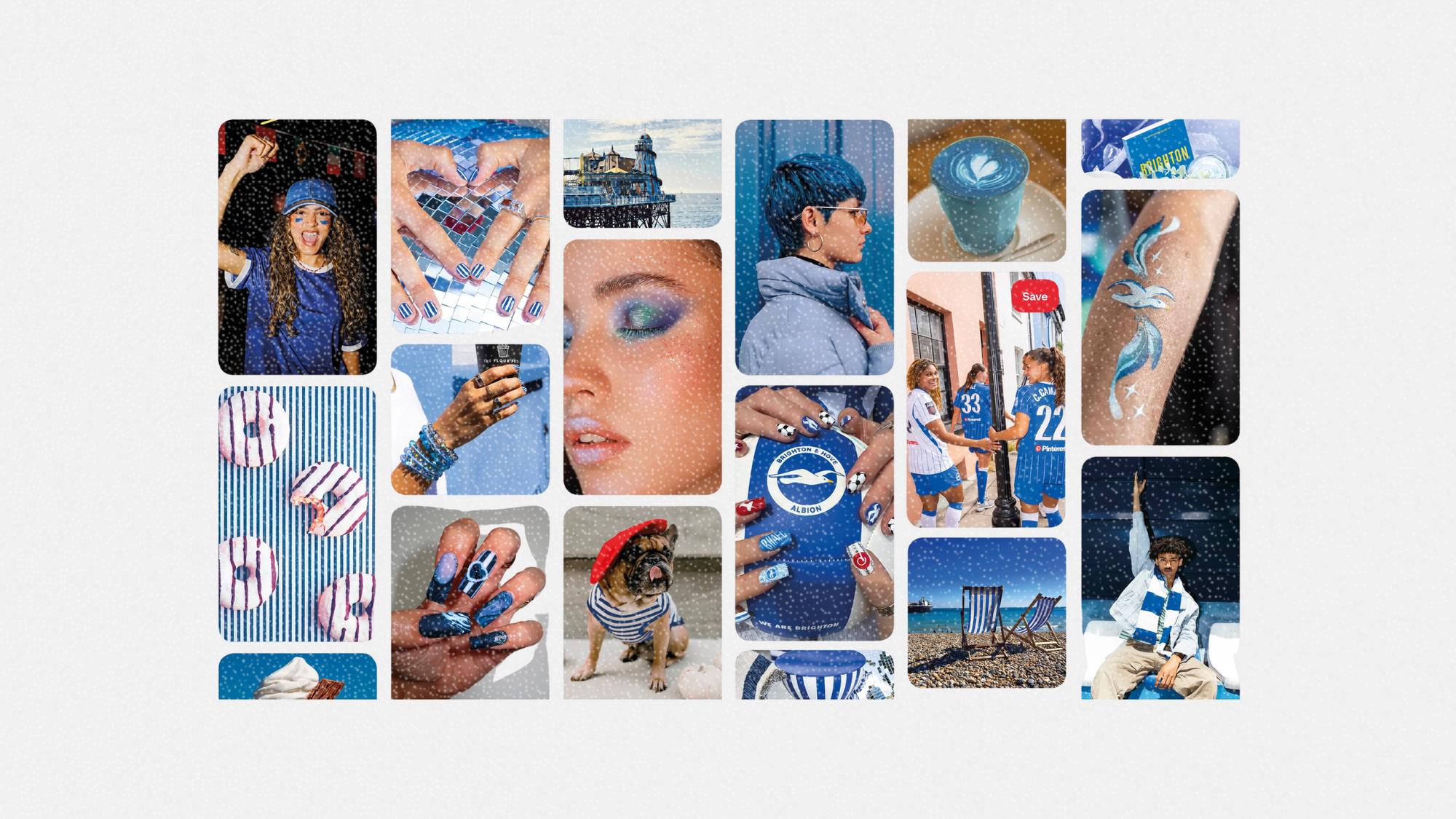
Football fandom rarely starts at kick-off. It starts with the “what are you wearing?” group chat, the last-minute sign-making, the Pinterest board of kit ideas, and the little rituals that make matchday feel personal.
In that context, Pinterest is partnering with Brighton & Hove Albion Women in a four-year deal that makes Pinterest the club’s first solo sponsor for the women’s team, with branding set to debut at a pre-season friendly against Paris Saint-Germain on 9 August.
The partnership is framed around the idea that the best part of fandom is not just watching, it is doing. The plan spans matchday style, creator collaborations, grassroots community moments, and player storytelling, positioned as a way to bring inspiration “from URL to IRL” as the club and its supporters head toward a new stadium.
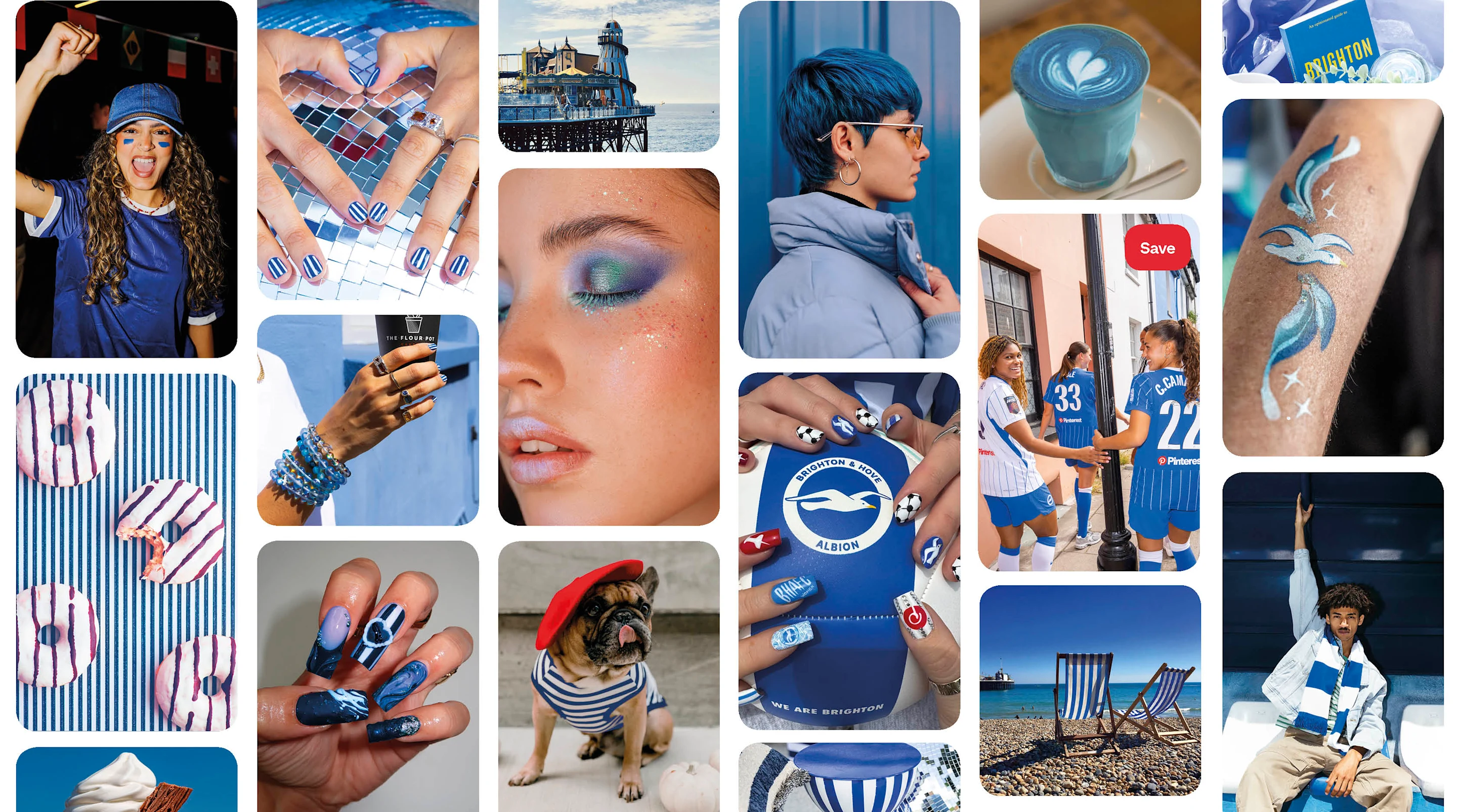
Table of contents
Jump to each section:
Why this partnership is built around “doing,” not just watching
The most telling part of the announcement is the focus on the off-pitch stuff fans obsess over: outfits, banners, and the small “matchday details” that turn attendance into identity. Pinterest and Brighton & Hove Albion Women are explicitly treating those behaviours as the main event, not an accessory to the game.
That matters because women’s football audiences often build community in highly visible ways, from local supporters’ groups to online creators who document matchday routines and style. A sponsor that shows up in those rituals can feel less like a logo placement and more like a participant in the culture.
The partnership’s scope reflects that: matchday style content, creator collaborations, grassroots community moments, and player storytelling, designed to resonate in Brighton while still traveling beyond it.
Pinterest ties K-pop fandom to planning with SM boards
This links to a closely related ContentGrip feature on Pinterest’s brand strategy, reinforcing the article’s argument that Pinterest wins by turning inspiration into planning and real-world action.

Pinterest’s value proposition is practical inspiration: people search, save, and then make the thing. Sponsoring a team in a fast-growing cultural space gives Pinterest a live environment where that “idea to real life” loop is easy to understand.
The branding debut on the back of shirts adds a broadcast-visible element, but the more interesting marketing upside is the behaviour Pinterest is attaching itself to: pre-game planning and post-game sharing. If fandom starts long before the match, then the platform that helps people decide what to wear, what to make, and what to bring is naturally upstream of attention.
Pinterest also positions this as part of a wider investment in women’s sport, citing its partnership with the New York Liberty. In marketing terms, that creates continuity: it is not a one-off sponsorship, it is a themed presence in a category where community and identity are highly legible.
How the women’s game is becoming a culture platform
Women’s sport is increasingly treated as culture, not just competition: it is where style, creator storytelling, and local community pride collide. The announcement leans into that idea directly, describing women’s sport as a space where “fandom, identity, community and creativity come together.”
Brighton & Hove Albion Women also gains something specific here: a partner that is willing to spotlight player storytelling and grassroots moments, not only match highlights. That can help widen the audience beyond existing supporters, especially if the content is built around relatable rituals (getting ready, traveling to games, making signs) rather than insider football language.
For the club, being able to frame this as a partnership with a platform known for visual inspiration may also support the “road to the new stadium” narrative by keeping the community-building story active across seasons.
What this means for marketers
This partnership is a reminder that modern sponsorships work best when they sponsor behaviour, not just exposure.
- Treat fandom rituals as media, not fluff
The partnership’s core is matchday creativity: outfits, banners, and the social routines around attending games. Those moments are where people make content and invite friends in. - Make the community feel seen before asking for attention
By centering “doing” and local community energy, the sponsorship is designed to feel like it understands what supporters already do, instead of trying to redirect them. - Creator collaborations are most credible when they mirror real habits
“Matchday style” and creator partnerships work when they map to existing creator formats: getting-ready videos, packing lists, outfit breakdowns, and day-in-the-life storytelling. - Women’s sport sponsorships are becoming identity-led buys
Pinterest frames women’s sport as a place where identity and community show up clearly. For brands, that can be more valuable than generic reach if the content naturally fits how fans express themselves.
If “the best thing you can find online is a reason to get offline,” then the marketing play is to earn a role in the planning phase, not just the viewing phase. This is where platforms like Pinterest can be more than distribution: they can be part of the ritual.
The broader signal is that women’s football is increasingly understood as a cultural ecosystem. Sponsors that contribute to that ecosystem, by amplifying player stories and supporter creativity, have a better chance of being welcomed rather than tolerated.
Over four years, the success metric will be less about whether people noticed the logo once, and more about whether supporters start to associate Pinterest with the feeling of getting ready for matchday and making it their own.
Book a discovery call (for brands & publishers) – ContentGrow
Thanks for booking a call with ContentGrow. We provide scalable and tailored content creation services for B2B brands and publishers worldwide.Let’s chat a bit about your content needs and see if ContentGrow is the right solution for you!IMPORTANT: To confirm a meeting, we need you to provide your