

Musk, in a recent interview with entrepreneur Peter Diamandis, executive chairman of the XPrize Foundation, said AI-powered robots could eventually produce enough goods and services to make scarcity largely disappear.
“AI and robots are going to make so much stuff and provide so many services that they’ll run out of things to do for humans,” Musk said in a video shared by Diamandis on X last week, according to Fortune.
He argued that such a system could generate more goods and services than existing money supplies can absorb, creating persistent deflation. As automated labor becomes increasingly inexpensive and productive, the role of traditional currency could diminish.
“I think money will stop being relevant at some point in the future,” Musk said.
 |
|
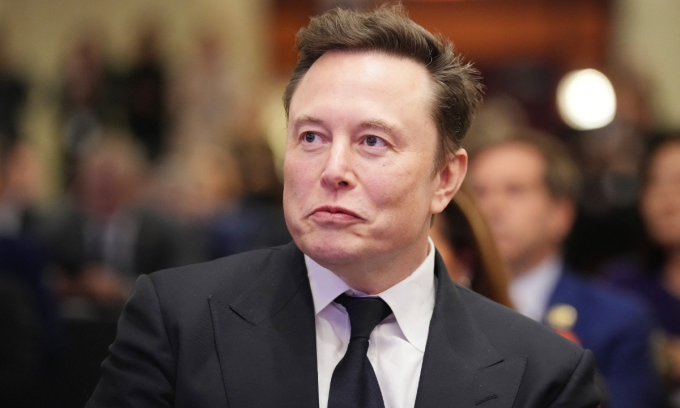
Elon Musk listens as U.S. President-elect Donald Trump addresses a House Republicans Conference meeting at the Hyatt Regency on Capitol Hill on November 13, 2024 in Washington, DC. Photo by AFP |
While Musk envisions a future where money loses its relevance, his own fortune continues to grow. SpaceX’s IPO last week cemented his status as the world’s richest person, with a net worth of about $1.3 trillion as of Monday, according to Forbes.
The remarks are consistent with Musk’s long-held view that AI could fundamentally reshape the economy and labor market.
He has previously suggested that work could become optional and that traditional retirement planning may lose relevance in a highly automated society. In a January podcast, he said saving for retirement could become unnecessary if AI creates enough resources for everyone to access what they need.
His vision has drawn both interest and skepticism, as economists continue to debate whether AI-driven productivity gains would be distributed broadly enough to reduce economic scarcity.
The billionaire entrepreneur has also sparked discussion about the relationship between wealth and happiness. In February, he faced backlash after posting on X: “Whoever said ‘money can’t buy happiness’ really knew what they were talking about.”
The remark prompted thousands of responses, ranging from sympathy to criticism. “But it certainly gives you a head start,” one user, Charmane Harbert, replied. “Are you worried about how you’ll keep a roof over your kids’ heads?…Nope?…Then stop pouting and count your blessings.”