
College can be a stressful and hectic time. But coming home to see my dog racing to the door and jumping up on me often reduces my anxiety within seconds.
Seeing a therapist, going to the gym or talking to a friend are all helpful ways to cope with mental health. However, one coping mechanism for college students is often overlooked — owning a pet.
Andrew Johnson, a spokesperson for USF Housing and Residential Education, said students are not allowed to have pets in residence halls, as outlined in USF’s Animals on-Campus Policy.
The only exception is for residents who require a service animal or an emotional support animal, he said.
Still, I believe USF should allow all residents to have pets in dorms. Most students could benefit from having a furry friend to comfort them throughout all of college’s stresses.
USF should join other schools that already allow non-ESA pets in dorms, such as Eckerd College and the Massachusetts Institute of Technology.
Related: USF’s Botanical Gardens welcomes Beren the dog
Students often feel the pressure of school, which is something a counseling service may not always be able to help with. Having a pet can provide students with continuous support — something a one-hour weekly therapy session cannot provide.
At Eckerd College, students can house one large pet or two small pets in dorms, with a fee of $225 to register one large pet and a $55 fee for each small pet, according to Eckerd College’s Pet Life FAQ page.
Additionally, animals must be well socialized. Dogs, for example, “must be at least a year old and have lived with the student or their family for at least a year,” the FAQ page reads.
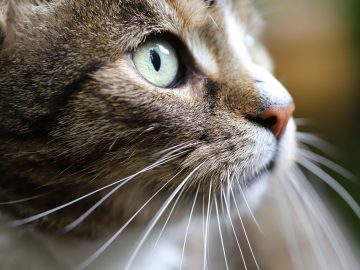
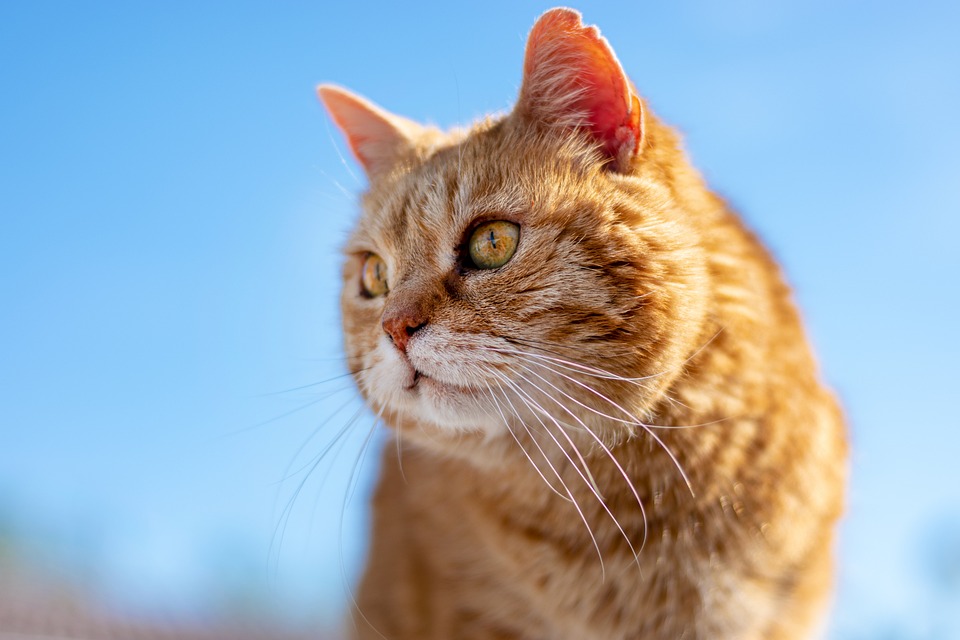
For cats, “they must be at least six months old and have lived with the student or their family for at least three months,” according to the FAQ page.
As long as students’ pets are not disruptive, somewhat trained and well-behaved, I believe they should be allowed in USF dorms.
Related: USF police welcomes three new K-9 partners
USF’s pet policies leave some students searching for a cure to their homesickness and anxieties.
Isabela Xavier, a senior business analytics major, owns a cat while living off-campus — which she said directly helps her ease the stress of being a college student.
“I found that cats have a very calming effect on me,” Xavier said. Their presence helps ease my anxiety, and I even sleep better when they’re around.”
Xavier said having a pet by her side during college has been helpful, especially as she is away from her family back home in Brazil.
“Having a pet makes me feel both needed and supported,” Xavier said. “My pet is always there for me, especially during moments when I feel down, and that presence makes me feel safer and less alone.”
Because Xavier lives off campus, she can return to her pet at the end of the day.
But USF residents should also experience the feeling of returning to a pet after a long day.
As of now, the only non-ESA animals allowed in USF dorms are fish in a ten-gallon tank or smaller. The policy page states that “all other pets are prohibited, even for a short amount of time.”
It is understandable why small pets, such as fish, should be allowed in on-campus dorms due to their minimal mess.
However, the interaction a student can have with a dog or cat builds a strong emotional connection, which is harder to achieve with an animal confined to a tank.
Pets would not only reduce stress for students but also foster a sense of community within the dorms, enabling students to meet and connect.
Having a furry friend waiting at the door is the kind of unconditional love that can make a huge difference in students’ mental health in their daily lives.