Introduction
About 42 days from now, audio lovers will have the perfect excuse to celebrate Strange Music Day (August 24), a delightfully quirky observance that encourages people to explore unusual sounds, experimental music, unconventional instruments, and creative audio experiences. :contentReference[oaicite:0]{index=0} Most people think they have ordinary listening habits until they realize they have a playlist called “Songs That Make Folding Laundry Feel Like an Epic Quest” and another one titled “Emotionally Recovering From a Mildly Inconvenient Email.”
That’s exactly why this printable has so much potential. Strange Music Day isn’t really about weird music. It’s about celebrating the wonderfully strange ways humans interact with sound. We save old voicemails. We get emotional over jingles. We keep recordings of pets making funny noises. We refuse to delete voice notes from people we love. Somewhere on a forgotten device, millions of people are storing tiny audio memories they can’t quite explain. This planner turns that beautifully weird habit into a product buyers will absolutely adore.
Tools Required
Canva is perfect for creating playful layouts filled with cassette tapes, microphones, soundwaves, quirky illustrations, and colorful memory-inspired graphics. The overall design should feel fun, nostalgic, and slightly whimsical.
Google Fonts offers plenty of creative font combinations that work beautifully for quirky audio-themed products. You can also browse Etsy to research audio journals and memory printables, use Gumroad for digital delivery, and create eye-catching mockups with Placeit.
10-Step Action Plan
1. Create a cover page titled “My Collection of Completely Normal Audio Memories That Are Definitely Not Weird.” Use playful colors, headphones, cassette graphics, and whimsical soundwave elements that immediately establish the tone.
2. Design an “Audio Memories I Refuse to Delete” tracker where users can document voice messages, recordings, songs, and sounds that still make them smile.
3. Create a “How Emotionally Attached Am I to This Random Audio Clip?” self-assessment chart. Include ratings ranging from “that’s nice” to “absolutely not deleting this ever.”
4. Add a “Sounds That Instantly Unlock Forgotten Memories” journaling page. Buyers will love documenting the strange audio triggers that transport them back in time.
5. Include a “Recordings That Shouldn’t Be Funny But Somehow Are” reflection spread. Every family seems to have at least one legendary audio clip.
6. Design a “Things I Saved Because Future Me Might Need Them” tracker. Future Me rarely asked for them, but that’s not the point.
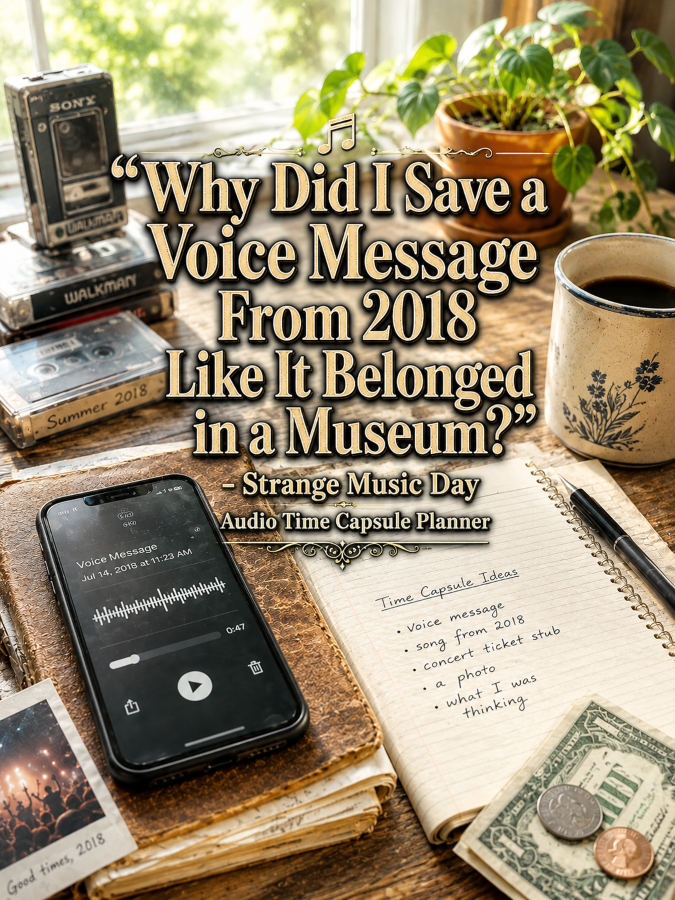
7. Create an “Audio Time Capsule” section where users can intentionally preserve meaningful sounds, stories, and memories from the present day.
8. Format everything with colorful layouts, playful typography, audio-inspired graphics, and plenty of writing space for stories and reflections.
9. Add bonus pages like “Voice Messages That Deserve Awards” and “Sounds That Somehow Became Family Traditions.” Those little extras help buyers feel emotionally connected to the planner.
10. Export printable and tablet-friendly versions so users can document their audio memories wherever inspiration strikes.
Customer Acquisition Ideas
Create social media content asking followers about the oldest voice message they’ve saved or the weirdest sound that instantly brings back a memory. People absolutely love sharing stories when nostalgia enters the conversation.
You can also create funny content about refusing to delete recordings, becoming emotional over old voicemail greetings, and discovering forgotten audio files. Target memory keepers, journal lovers, podcast listeners, music fans, scrapbookers, and nostalgic audiences. Pinterest keywords like audio journal, memory planner, nostalgia printable, and storytelling journal can attract highly engaged buyers.
Creative Monetization Tips
Create themed editions such as “Voice Message Memory Book,” “Family Audio Archive Planner,” or “Songs That Defined My Life Journal.” Each version appeals to slightly different audiences while maintaining the same emotional connection.
You can also bundle this planner with memory journals, family history books, legacy planners, and self-reflection worksheets. Offer editable Canva versions as premium upgrades. Matching sticker packs featuring cassette tapes, microphones, headphones, soundwaves, and vintage recording devices can create additional revenue streams.
Next Steps
Focus on creating a design that feels playful, nostalgic, and deeply personal. Use bright colors mixed with vintage accents, layered typography, and charming audio-themed illustrations that make buyers smile.
Keep the humor warm, observational, and unmistakably human. The planner should feel like it completely understands the person who discovered a five-second voice note from years ago and immediately spent twenty minutes walking down memory lane.
Conclusion
Strange Music Day offers a fantastic opportunity because it celebrates the quirky, emotional, and deeply personal relationship people have with sound. Audio isn’t just entertainment. It’s memory, connection, nostalgia, and sometimes a surprisingly effective time machine.
The moment somebody laughs because your printable perfectly captures their tendency to become emotionally attached to random recordings, you’ve created a genuine connection. And when buyers feel understood, nostalgic, and entertained all at once, they’re much more likely to become enthusiastic customers who happily tell others about your product.
So here’s what you’ve discovered today – if anything excites you, why not start working towards that goal today?
Enjoy!