
What were once celebrities have become influencers. This makes social media platforms harder to navigate, especially when those who highlight products or services lack transparency around independence and brands are reticent to reveal collaborations because disclosure can affect their reputations.
The 2025 Veracity Index, published by Ipsos in November 2025, lists nurses and engineers as the occupations trusted by over 90% of people. According to the index, politicians are trusted by a mere 9% in comparison, and social media influencers rank even lower at just 6%.
Instagram will soon turn sweet 16 in Ireland, and since 2010 it has evolved into a financial behemoth for Meta (its owner), brands, and influencers. Over time, it shifted from a space to share and experience life through a lens to the mainstay of influencers who mainly use either Instagram or TikTok (owned by ByteDance) to connect with interested followers.
It’s been a lifetime since I first made my foray into social media, starting with what was then Twitter, then gravitating to Facebook and Instagram. In those early days, Instagram was innocent, where people connected and generously shared what they were up to, no strings attached. Sometimes budding users (not quite influencers yet) shared excited videos as they enthusiastically unboxed merchandise on camera.
The difference between an influencer and a general social media user is their potential impact. Followers can number in the millions or as low as five figures, with the potential to reach either a very targeted demographic or broader appeal, such as lifestyle.
One of the world’s largest influencers is Irish: Seán McLoughlin, known to many as @jacksepticeye, has more than 31.2m subscribers on YouTube, 8m followers on Instagram, and 5.4m followers on TikTok. Crucially, these days he is based outside of Ireland, so he can make money from views across all these platforms.
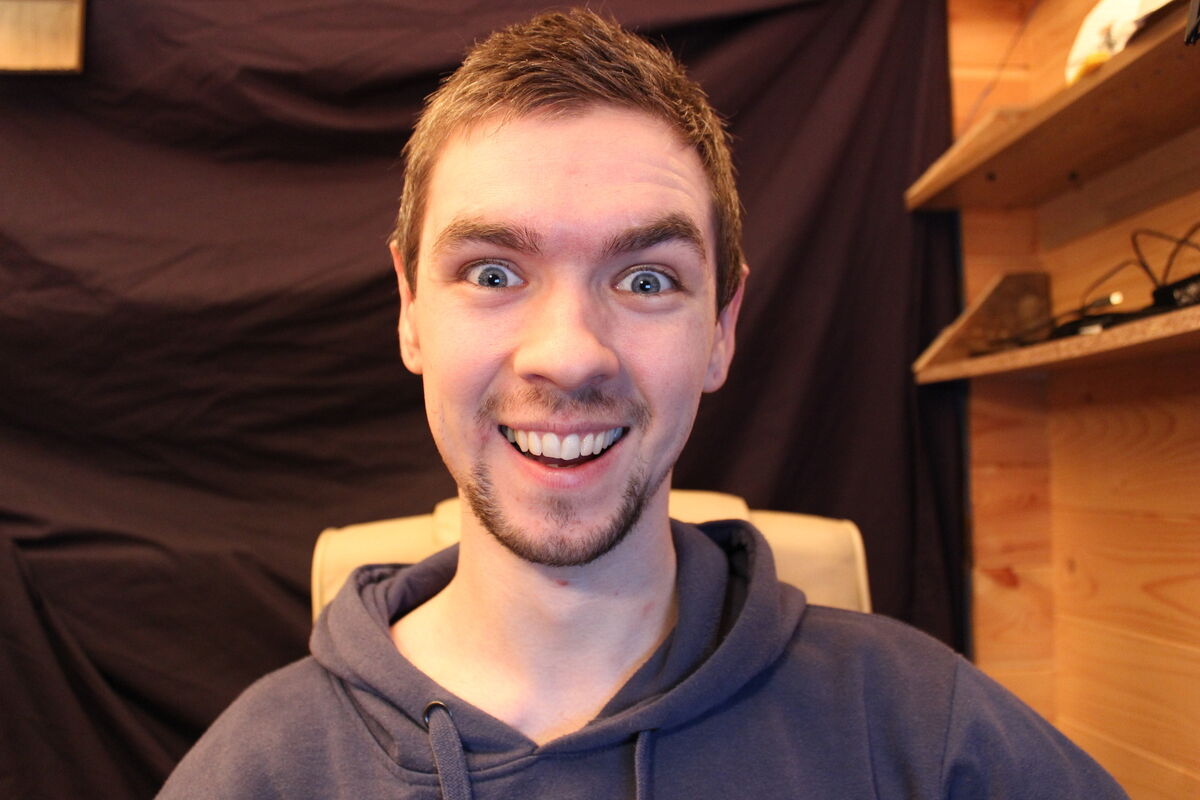 One of the world’s largest influencers is Irish: Seán McLoughlin, known to many as @jacksepticeye
Influencers based in Ireland have fewer options if they want to make social media their full-time job. Neither Instagram nor TikTok pay users in Ireland for their views, so those who want to make money on social media are left using affiliate or shopping links, along with brand or advertising deals, to make ends meet.
Gaining tens or hundreds of thousands of followers is hard work, and keeping those followers can be a full-time job. It requires an always-on attitude, the ability to pivot and make content about the latest fad or zeitgeist, and the availability to engage with or correspond with followers. For many, there comes a point where they realise they either have to take on the mantle of influencer as their paid employment or reduce their online presence.
Brands on social media
Which is where brands step in. Some businesses have a very clear tone and voice online. Think of Ryanair for example, whose irreverent, unapologetic, and sometimes witty content is distinctive on the social media landscape. Others struggle to be heard above the clamour of stronger brands and opt to pay or send gifts to influencers, hoping to leverage their strong following.
On a technical level, nothing is wrong with this system, provided everyone is clear and upfront about their relationships. Ad Standards Ireland (formerly the ASAI) and the Competition and Consumer Protection Commission (CCPC) set jointly published guidance on how influencers and brands should disclose items such as gifts or ‘freebies’ alongside advertising content online.
However, there is no such thing as a ‘freebie’ on social media. Influencers who share an item they received with no strings attached should disclose it as #gifted in a clear place on their posts or stories. It’s not free either, because their time and their followers come at a price, which is why you generally see more generous gifts sent to people likely to reach more people.
Grey areas abound where influencers say they are not quite sure how to annotate something they’ve received as a gift or a guest. Unfortunately, that leads to complacency amongst their peers and a lack of stringent advice from the gift givers.
I spoke to Lisa Cope, founder of All The Food, food writer, and restaurant critic who has strong opinions: “The ASAI are not fit for purpose. They have dragged their heels on this for years, and only recently have claimed to be cracking down on influencers who are not disclosing free products and experiences.”
She criticises a system that relies too heavily on consumers to identify breaches and file complaints, while offering little follow-up or visibility into what happens afterwards.
“This involves an anonymous influencer reporting form so the public are expected to do their job for them, but the reporter gets no update on whether the poster [or any of the posters] were sanctioned. I know many who have been reported by our readers and have seen no change in how they post, so I can only assume that if the ASAI are doing anything, it is not effective.”
The Ad Standards Ireland complaints process can take many months, and the disclosure system depends on others making formal complaints online, with little active policing of what is rapidly becoming an unregulated advertising platform. If social media users are caught acting outside the guidelines, they are warned not to do it again, and Ad Standards has no statutory powers to levy financial penalties on the influencer or the brand, nor can they prosecute under law.
“Will the ASAI do anything further? Prosecute for misleading advertising? I have never heard of this happening in the food space,” Cope says.
Under law, the CCPC has bigger teeth in this regard than the industry-funded Ad Standards Ireland. Cope references the compliance notice levied on former Irish rugby captain, Brian O’Driscoll by the CCPC in 2024 for a lack of transparency on social media. Last year, Donal Skehan was similarly issued a compliance notice for a failure to use appropriate labels when mentioning his own brand.
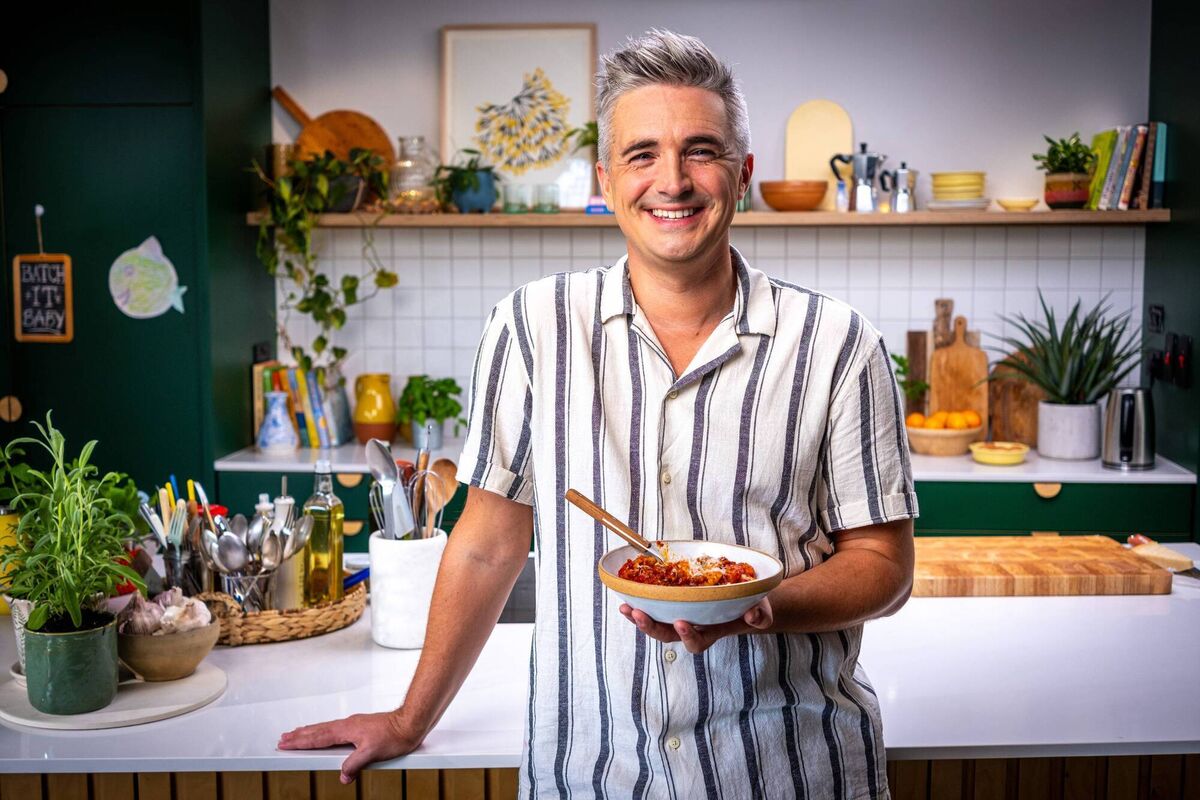 Last year, Donal Skehan was similarly issued a compliance notice for a failure to use appropriate labels when mentioning his own brand. Picture: PA
She described seeing high-profile accounts hiding the #AD in tiny, barely-legible text on Instagram stories, burying the hashtag within other hashtags at the bottom of a post, or placing the disclosure on the first story frame but not on subsequent posts.
Businesses do not care, It’s in their interest for people to believe this influencer is a paying customer and not someone lured in by free food.
That lack of transparency was highlighted on a greater-than-usual scale last month, when numerous Electric Picnic guests wore branded merchandise, stayed in branded glamping tents, and attended stands and installations without consistently disclosing commercial relationships with brands in their online content. Several of those viral posts or videos may yet make their way through the Ad Standards review system, but by the time any declaration of compliance or non-compliance is made, the damage will already have been done.
Authenticity is a prized currency on social media. The less commercial a recommendation looks, the more powerful it can become. It is in both brands’ and influencers’ interests to downplay the commercial nature of their relationships where they can get away with it.
I approached the Revenue Commissioners to ask how these gifted items/experiences and so-called freebies would be treated: “Revenue continues to monitor developments in this area as part of its overall compliance strategy.”
They went on to explain that those involved in social media activities are taxed the same as all self-employed people (whether supplementing a PAYE job, or not).
“Taxpayers generating income through social media activities are generally taxed under the self-assessment system and are subject to the same principles and tax obligations as self-assessed taxpayers in any other industry.”
From the State’s perspective, very few situations exist where a PR item, stay, or service is not taxable.
In 2025, the Revenue Commissioners published guidance for influencers on how their gifted items (or freebies) would be treated. In that document, they set out how monetary and non-monetary receipts may be assessed as taxable income. They listed taxable items, including free or discounted accommodation, free use of goods, products, or services, and other non-cash benefits. Interestingly, they also note that using crowdfunding platforms may be taxable.
Like Ad Standards Ireland, the Revenue Commissioners hope their guidance, paired with targeted programmes, will encourage influencers to comply.
“Revenue’s approach is focused on supporting voluntary compliance. Most taxpayers carrying on activities through social media want to meet their tax obligations, and Revenue’s engagement typically begins with education and guidance, with risk-based compliance interventions applied where necessary. Revenue also monitors tax compliance through a range of risk identification and assessment programmes.”
Influencers are expected to keep appropriate records of their income and expenses, just as other self-assessed taxpayers should. The Instagram feed may record some of these, such as hotel stays, restaurant openings, product hauls and experiences. While the posts may disappear, screenshots remain; tagged accounts and other digital breadcrumbs do. Followers are not shy about using these either, with more than 800 complaints within the first five weeks of Ad Standards launching its new anonymous reporting tool in 2024.
The minimum expectation of followers and supervisory organisations is that everyone should be more transparent, keep records, and pay what is owed.
Maybe this is too simple for an industry that depends on social media, an area that is notoriously opaque in its rules and regulations. Expect more changes and challenges to the status quo next year as people grow increasingly unhappy about being duped by those they used to trust. As it stands, consumers are rapidly souring against a lack of transparency.