
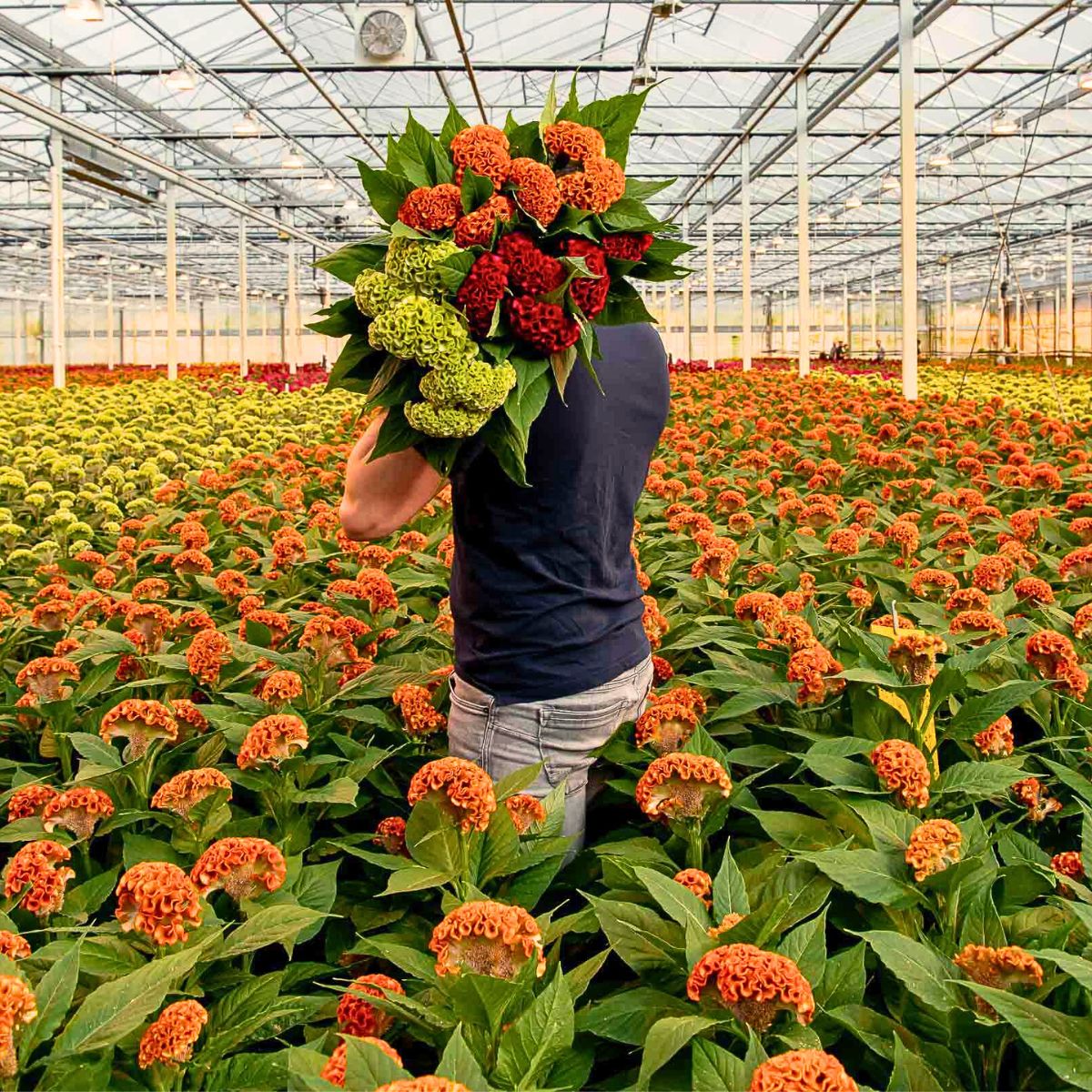
Flowers may be the first thing people notice, but they are rarely the only reason they remember a florist, grower, floral designer, photographer, or plant professional. In 2026, the people who build strong names in the floral world are increasingly recognizable not only for what they create, but also for how they present their work, tell their story, and connect with people online.
Personal branding does not mean turning every floral professional into an influencer. It means making it easier for someone to understand who you are, what your work represents, and why they should remember you.
For a floral designer, that identity might come through a recognizable approach to color and composition. For a grower, it could be connected to certain varieties, growing practices, or the story behind the farm. For a flower photographer, educator, breeder, or shop owner, the same principle applies. Your digital presence should give people a reason to associate your name with something specific.
What Personal Branding Means in the Floral Industry
Personal branding in floriculture is the reputation that develops around your work, expertise, visual identity, and point of view. It is built every time someone sees one of your arrangements, reads your thoughts about flowers, watches you prepare for an event, discovers a new variety through your content, or follows the story behind your business.
The strongest floral personal brands usually have three things in common: recognizable work, a clear point of view, and enough consistency for people to remember both. This matters in an industry where visual inspiration travels quickly. A beautiful bouquet may receive attention for a few seconds. A distinctive designer behind that bouquet has the potential to be remembered much longer.
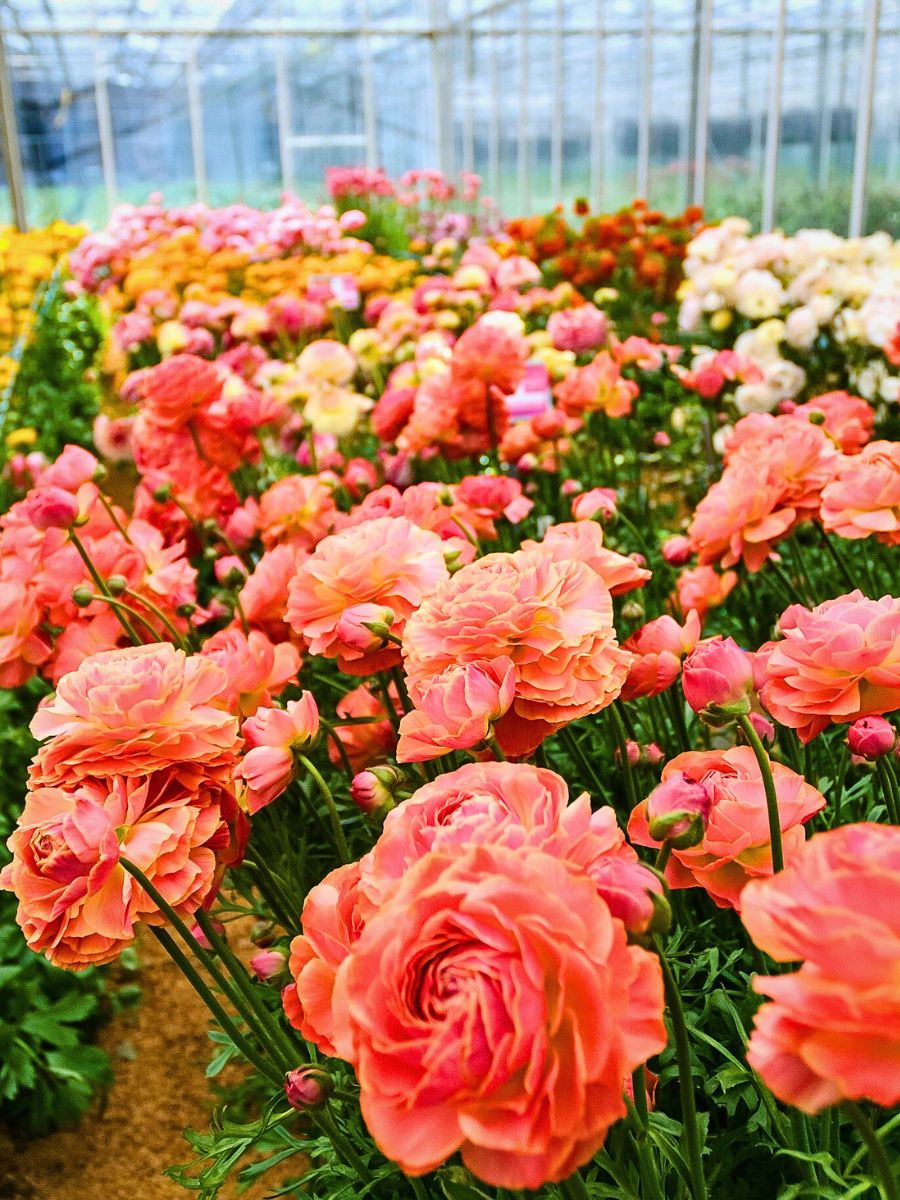
Let Your Floral Style Become Part of Your Identity
A recognizable creative style makes it easier for people to connect your work with your name. That does not mean every arrangement needs to look the same. It means there should be something familiar running through your work.
Perhaps you regularly use unusual textures and botanical materials. Maybe your designs are known for restrained palettes, locally grown flowers, dramatic installations, wild garden influences, or highly structured compositions. The same applies outside floral design. A grower might become known for specialty roses or lesser-known seasonal flowers. A plant creator may focus on interiors filled with tropical foliage. A photographer might develop a very distinctive way of capturing flowers and botanical details.
These repeated creative choices gradually become recognizable signals.
Instead of asking only, “Does this look good?”, it can be useful to ask another question:
“Would someone who follows my work recognize that this came from me?”
That is where visual style begins turning into personal brand recognition.
Tell the Story Behind the Flowers
The finished arrangement is only one part of the story. Increasingly, people are interested in what happened before the final photograph. Where were the flowers grown? Why was a particular variety chosen? What inspired the color palette? How difficult was the installation? Which materials were tested and rejected? What happened at the studio before everything came together?
These details give audiences something that polished portfolio images cannot provide on their own: context. For growers and breeders, storytelling can begin even earlier. The development of a variety, the conditions on a farm, harvesting decisions, sustainability practices, logistics, and the people involved in production can all become part of a recognizable brand story.
For designers, sharing the process can reveal creativity that would otherwise remain invisible. A striking floral installation may look effortless in its final photograph. Showing the sketches, buckets of flowers, mechanics, transport challenges, and several hours of construction behind it gives the audience an entirely different relationship with the work.
Build a Voice Alongside Your Visual Style
Beautiful images attract attention in floriculture, but a recognizable voice gives people another reason to continue following someone. You do not have to become a professional writer. You simply need to communicate in a way that sounds like you.
Talk about why you love a particular flower. Explain why you would never use a certain combination. Share something you learned during a difficult installation. Discuss a floral trend you find genuinely interesting, or one you think has been overused.
Specific opinions are more memorable than generic captions.
Instead of writing that a flower is “beautiful and elegant,” explain what actually interests you about it. Perhaps it behaves differently from other varieties. Maybe the color changes as it opens. Perhaps its stem structure makes it especially useful in larger designs. Those observations demonstrate knowledge while allowing personality to come through naturally.
Make Your Expertise Visible
A strong personal brand should show what you know, not simply what you sell. Florists can explain mechanics, conditioning, color combinations, flower care, sourcing, or seasonal availability. Growers can introduce varieties and explain what makes them distinctive. Breeders can share the thinking behind new developments. Plant specialists can help audiences understand particular species and growing environments.
Educational content is valuable because it gives people a practical reason to remember you. It also broadens the story beyond finished work. Someone may first discover a floral designer through a wedding installation but continue following because they enjoy learning how that designer thinks about flowers.
A grower might attract attention through a spectacular new variety, then build a lasting audience by consistently showing how that flower develops from farm to vase. Knowledge creates another layer of identity.
Social Proof Matters, but It Should Support Real Work
Social proof can strengthen the first impression someone forms when discovering a floral professional online, but it works best when there is already something meaningful behind it. People naturally look for signals when they encounter an unfamiliar profile. They notice whether others interact with the work, whether recognizable professionals follow the account, whether projects have been featured elsewhere, and whether there is an active community around the creator.
For floral professionals already investing time in strong photography, useful videos, educational posts, and original design work, platforms such as Famety can be part of a broader approach to building social visibility around content. Still, numbers should never become the identity itself.
A large audience cannot replace distinctive work. The most sustainable personal brands use visibility to bring more people toward something that is already worth discovering.
Choose Platforms That Match the Way You Work
Floral professionals do not need to maintain an active presence everywhere. The better approach is to choose platforms that naturally fit the type of work you already produce. Instagram remains particularly suited to floristry because the work is intensely visual. Finished arrangements, flower details, installations, studio moments, grower visits, and seasonal collections can all live comfortably within the same profile.
TikTok and other short-form video formats are useful when movement and process matter. Watching a designer construct an arrangement can sometimes communicate far more than seeing the final photograph. Pinterest fits floral work for a different reason. People actively collect visual ideas for weddings, interiors, gardens, events, color palettes, and seasonal inspiration.
LinkedIn can make sense for growers, breeders, suppliers, floral entrepreneurs, educators, and professionals working across the commercial side of floriculture. YouTube gives more room for depth. Studio tours, farm visits, tutorials, conversations with other professionals, event preparation, and detailed design demonstrations can develop relationships that shorter formats rarely create. The goal is not maximum presence. It is choosing a few places where your work translates naturally.
Collaborations Can Expand Your Identity
Floristry has always been collaborative, which makes collaborations particularly valuable for building a personal brand. A floral designer working with a photographer can introduce both professionals to new audiences. A grower collaborating with several designers can show how the same flower behaves across completely different creative styles.
Other natural partnerships might connect florists with ceramicists, fashion designers, architects, hotels, restaurants, wedding professionals, botanical artists, gardeners, or interior designers.The best collaborations do not feel like promotional exchanges. They create something that neither person would have produced alone.
They also give audiences a clearer sense of where you belong creatively. Who you work with gradually becomes another part of how people understand your brand.
Avoid Making Everything Look Too Perfect
Floral work is tactile, seasonal, unpredictable, and human. A digital presence that removes all of those qualities can become strangely disconnected from the craft itself.
Not every photograph needs a studio setup.
Not every video needs perfect editing.
Not every caption needs to sound like advertising copy.
A little imperfection often makes floral content more interesting because the work itself contains so much natural variation. Bent stems, changing light, piles of foliage, unfinished arrangements, overflowing buckets, dirty worktables, and early morning market visits belong to the reality of the profession. Showing that reality does not weaken a premium brand. When handled thoughtfully, it can make the work feel more believable.
Build Recognition Before Chasing Reach
Reach can bring thousands of people to a profile. Recognition gives them a reason to return.
That distinction is important.
A viral flower video might introduce someone to your work once. A recognizable approach to flowers, photography, education, or storytelling gives them a reason to notice your name the next time it appears. That is why consistency matters more than constantly reinventing your content.
Develop a few recurring subjects. Perhaps every week you introduce one flower you are currently excited about. Maybe you regularly document the construction of large arrangements. You might share monthly visits to growers or explain the flowers used in one finished design. These repeated ideas create familiarity without forcing every post into the same template.
What the First 90 Days Can Look Like
The first three months of intentional personal branding should be used to discover what people should remember you for. During the first few weeks, define the subjects you genuinely want associated with your name. Choose a small number rather than attempting to cover the entire floral world.
Then begin documenting those subjects consistently. Pay attention to what generates meaningful responses. Comments from other professionals may tell you more than raw reach. Saves can indicate that people find your work useful or inspirational. Messages may reveal which subjects encourage genuine conversation.
By the second and third months, patterns usually begin appearing. Perhaps your audience responds strongly when you explain flower varieties. Maybe your behind-the-scenes installation videos attract more interest than finished images. Perhaps your strongest content is not your biggest project but your most personal observation about flowers. Use those signals to refine the brand rather than constantly starting again.
Personal Brands in Floriculture Grow Through Connection
The most memorable floral personal brands are rarely built through self-promotion alone. They grow through participation in the wider floral community.
Talk about the growers behind the flowers you use.
Credit photographers.
Introduce varieties properly.
Share the designers who influence you.
Attend industry events.
Respond thoughtfully when other professionals discuss their work.
Collaborate rather than simply broadcast.
The flower industry is highly interconnected. Building a reputation within that network often matters more than accumulating the largest possible anonymous audience.
Visibility gets your work discovered.
Relationships give that visibility meaning.