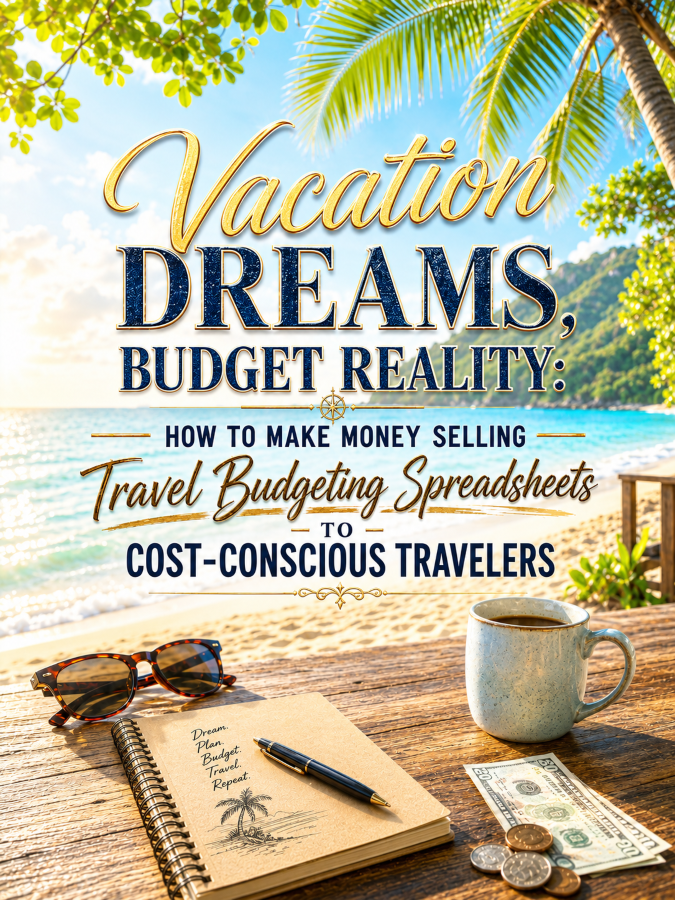
Most people love planning a vacation. What they don’t love is coming home to a credit card statement that looks like it booked its own first-class ticket.
That’s why travel budgeting spreadsheets have become such a useful tool. Travelers want to know where their money is going before they leave, during the trip, and sometimes after they return home wondering how three beachside smoothies somehow became a budget category.
If you enjoy organizing information, building spreadsheets, and helping people make smarter decisions, travel budgeting spreadsheets can become a practical digital product business. You’re not selling travel advice. You’re selling clarity, organization, and financial visibility.
Now that the fast answer is clear, let’s walk through how this can work in the real world.
What This Is
A travel budgeting spreadsheet is a digital planning tool that helps travelers estimate, organize, and monitor trip expenses.
The spreadsheet may include transportation costs, lodging, meals, activities, shopping budgets, emergency funds, currency conversion estimates, and daily spending trackers.
Instead of guessing how much a trip will cost, travelers can use a structured system that helps them make informed decisions before spending money.
Many people enjoy traveling but struggle to keep costs under control. Your spreadsheet helps remove uncertainty and makes planning feel less stressful.
Now that the opportunity is clear, let’s look at why people are willing to pay for it.
Why This Works
Travel planning involves financial decisions, and many travelers want more confidence before they book a trip.
- Travel costs can add up quickly.
- Many people prefer using ready-made systems rather than building their own spreadsheets.
- Travelers often plan multiple trips throughout the year.
- Budget-conscious travelers actively seek organizational tools.
- Digital products are easy to update and sell repeatedly.
Another advantage is that travel budgeting tools can expand into related products such as travel planners, itinerary templates, packing checklists, and vacation journals.
One spreadsheet can become the foundation of an entire travel planning product line.
Now that the reason makes sense, let’s see who this opportunity fits best.
Who This Helps
This opportunity may work well for:
- Spreadsheet enthusiasts
- Virtual assistants
- Etsy sellers
- Pinterest marketers
- Travel bloggers
- Digital product creators
- Organization-focused entrepreneurs
You do not need to be a certified financial planner.
Most buyers simply want a practical tool that helps them organize trip expenses and avoid overspending.
This may not be ideal for someone who dislikes spreadsheets, numbers, or creating structured systems.
Basic spreadsheet skills and a problem-solving mindset are often enough to get started.
Once you’ve decided this opportunity fits, you’ll need a few simple tools.
Tools You Need
Useful tools include:
Google Sheets – Create cloud-based travel budgeting spreadsheets that buyers can easily copy and customize.
Microsoft Excel – Build advanced budgeting templates with formulas, calculations, and automated tracking.
Canva – Design instruction guides, spreadsheet covers, listing images, and marketing graphics.
Etsy – Sell travel budgeting spreadsheets to buyers actively searching for planning tools.
Pinterest – Generate long-term traffic from travelers researching upcoming vacations.
Google Trends – Research seasonal travel patterns and identify popular travel planning topics.
Placeit – Create professional spreadsheet mockups that make your listings more appealing.
Dropbox – Deliver spreadsheet bundles, bonus resources, and supporting files.
Now that the reader has the tools, let’s look at where potential buyers spend their time.
Where to Find Buyers
Travelers actively search for planning resources before booking trips.
Etsy – Buyers regularly search for travel planners, vacation organizers, and budgeting spreadsheets.
Pinterest – Users frequently search for travel budgeting tips, vacation planning ideas, and trip organization resources.
Facebook Groups – Travel planning groups, family travel communities, and budget travel groups often contain ideal customers.
Reddit – Travel, backpacking, digital nomad, and family vacation communities frequently discuss budgeting challenges.
Instagram – Travel creators attract followers interested in trip planning and expense management.
YouTube – Travel channels often have audiences looking for practical planning tools and budgeting advice.
Tripadvisor – Travelers researching destinations often need budgeting and planning resources.
Lonely Planet – Travel enthusiasts regularly seek trip-planning guidance and destination research.
Nomadic Matt – Budget-conscious travelers actively look for ways to stretch their travel dollars.
Email Newsletters – Building your own subscriber list can generate repeat customers for future travel planning products.
When approaching buyers, focus on helping them reduce travel stress and gain financial clarity rather than emphasizing the spreadsheet itself.
Now that buyer locations are clear, let’s shape the offer.
What to Sell
Basic Vacation Budget Spreadsheet
Includes transportation, lodging, meals, activities, and daily spending trackers.
Best for casual travelers.
Starting range: $7-$17.
Delivered as Google Sheets and Excel files.
Family Vacation Budget Planner
Includes family-specific budgeting categories, multiple traveler tracking, and group expense calculations.
Best for family trips.
Starting range: $17-$27.
Delivered digitally.
International Travel Budget System
Includes currency conversion worksheets, transportation estimates, emergency fund planning, and destination budgeting.
Best for international travelers.
Starting range: $17-$37.
Delivered digitally.
Digital Nomad Expense Tracker
Includes recurring expenses, monthly travel budgets, income tracking, and long-term planning tools.
Best for remote workers and digital nomads.
Starting range: $27-$47.
Delivered as spreadsheet templates.
Complete Travel Planning Bundle
Includes budgeting spreadsheets, itinerary planners, packing lists, and travel journals.
Best for frequent travelers.
Starting range: $37-$77.
Delivered as a digital package.
Now that the offer is shaped, let’s make delivery simple.
How to Deliver It
Start by creating a clean, easy-to-use spreadsheet with clear instructions.
Include a welcome guide explaining how buyers can customize the template for their trips.
Provide both Google Sheets and Excel versions whenever possible.
Package files neatly and include screenshots or examples showing how the spreadsheet works.
After purchase, provide support instructions and answer basic setup questions.
Ask satisfied customers for reviews and suggest related travel planning products they may find useful.
Once delivery feels manageable, here are the five steps to get started.
5 Action Steps To Start This Week
Step 1: Research Existing Travel Templates
Browse Etsy and Pinterest to see what travel budgeting products are already selling.
Pay attention to customer reviews and feature requests.
Finish line: Create a list of 15 spreadsheet features buyers frequently request.
Step 2: Build Your First Spreadsheet
Create a budgeting template focused on solving one specific travel budgeting problem.
Keep the layout simple and user-friendly.
Finish line: Complete one fully functional spreadsheet template.
Step 3: Create Professional Mockups
Use Canva and Placeit to show how the spreadsheet looks in real-world travel planning situations.
Finish line: Create five product images.
Step 4: Publish Your Listing
Write a clear title and description that focuses on budgeting clarity and trip organization.
Explain exactly what buyers receive.
Finish line: Publish one complete Etsy listing.
Step 5: Create Pinterest Marketing Content
Design pins featuring budgeting tips, travel planning advice, and spreadsheet previews.
Focus on helping travelers feel more confident about their finances.
Finish line: Publish ten Pinterest pins linked to your listing.
Now that the reader has a path, let’s talk honestly about potential challenges.
Risks And Reality Check
Travel costs change frequently, so avoid presenting estimated costs as guarantees.
Do not provide financial advice or promise that buyers will save a specific amount of money.
Some buyers may have different budgeting styles, which is why customization options can be valuable.
Competition exists in the spreadsheet marketplace, so focus on solving specific travel problems rather than creating generic templates.
Results depend on product quality, niche selection, marketing, pricing, customer experience, and consistency.
If you have questions regarding taxes, financial regulations, licensing, or legal requirements, consult qualified professionals before launching.
Conclusion
Travel budgeting spreadsheets help travelers gain visibility into their expenses before, during, and after a trip. They provide structure, organization, and confidence during a process that can often feel overwhelming.
The opportunity works because travelers want practical tools that simplify decision-making and help them avoid unnecessary spending surprises. A well-designed spreadsheet can solve a real problem while creating a valuable digital product business.
Start by researching the best-selling travel budgeting templates on Etsy and identifying one budgeting challenge you can solve better. Then build your first spreadsheet and launch it while travelers are actively planning their next adventure.
So here’s what you discovered today. If something sparked your interest, take it as your sign to start moving toward that goal now. Even one small step counts.
Enjoy!