
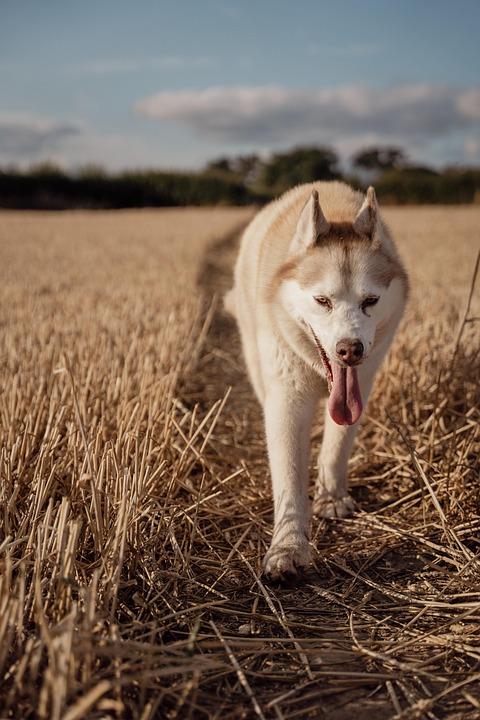
BEND, Ore. — With summer getting closer, cheatgrass season has arrived in Central Oregon. And that means stress for dog owners.
“She was kind of itching your ears a lot and you could tell something wasn’t right. And then she kept shaking her head,” dog owner Bret Bradanini said.
Cheatgrass barbs can get stuck in dogs’ skin, paws, nose and ears when a dog walks through the plant.
“That’s all it takes. You go through it and it bumps it and the cheatgrass, the little barbs off of it just come off and get lodged,” dog owner Michelle Simmons said.
If it’s not removed immediately, it can burrow deep into those areas, causing abscesses or even killing the dog.
“You have to go to the vet. That’s the only way because it gets in there so deep and there’s nothing you can do about it unless you actually see it,” Simmons said.
“Oftentimes we’re able to either numb up the area or give the pet a little bit of pain medication and remove the cheatgrass really simply with like, forceps or tweezers, some sort of tool like that. If they’ve been in the area for a long time, they do form abscesses,” Dr. Leanne Dielo of Veterinary Referral Clinic said.
The plant has a small, needle-like appearance, but it can be mistaken for foxtails which look different. Both are harmful to dogs.
Dr. Dielo recommends that owners check their dogs for it and be aware of any signs of discomfort or swelling. If the plant is spotted on the pet, owners can brush it off or carefully remove it with tweezers at home.
Here are some tips from the Veterinary Referral Clinic website:
- Prevent your pet from running off trail through fields of wild grass and weeds
- Do not let your pet eat or sniff weeds and wild grasses
- Clear the weeds in your yard
- After a journey outdoors, check your pet’s paws and coat for awns. Brush your dog’s coat to be extra careful.
- If your dog has a long heavy coat, consider trimming it for the summer months
- Make sure to regularly check your dog’s eyes, ears and mouth
- Look for signs of inflammation or symptoms of irritation in your pet, particularly if your pet is limping or frequently licking their feet.



