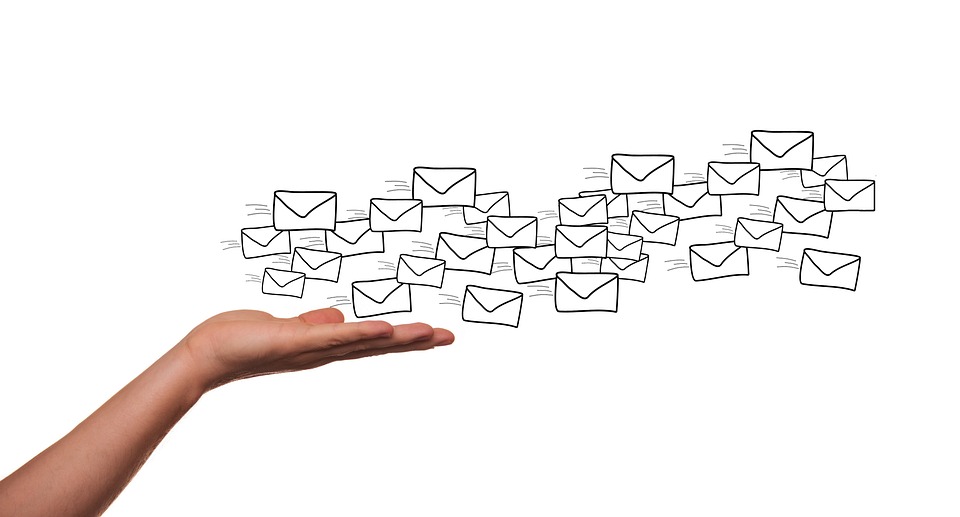
The modern digital marketing ecosystem has transformed significantly by 2026, yet the humble email remains the undisputed heavyweight champion of customer engagement. The era of the “batch-and-blast” newsletter, however, is officially dead and buried. Sending the exact same generic message to a million subscribers is like standing in a crowded room with a megaphone; you are creating a lot of noise, but you are not starting any meaningful conversations.
Today, consumers simply tune out generic broadcasting. Conversely, hyper-personalised, carefully segmented campaigns are the lifeblood of enterprise revenue. Global email users are projected to hit 4.8 billion, and the channel continues to boast an unmatched average ROI of $36 for every single dollar invested. To capture this value, enterprise digital teams across India and the APAC region are aggressively adopting AI-driven email marketing platforms. These robust systems do the heavy lifting: predictive analytics determine the exact minute a customer is most likely to open their inbox, whilst generative AI drafts subject lines tailored to an individual’s browsing behaviour. For senior marketing leaders, upgrading your platform is no longer just about sending mail; it is about orchestrating profitable, automated, one-to-one customer journeys at a massive scale.
What is Email Marketing Software?
Email marketing software serves as the central command centre for your organisation’s outbound communications. At its core, it is the digital engine that allows businesses to build, design, execute, and analyse email campaigns sent to massive databases of subscribers.
In a modern enterprise context, these platforms go lightyears beyond simple bulk-mailing capabilities. They act as the sophisticated brain for your marketing automation, allowing you to build complex “if-this-then-that” logic flows. Imagine setting up a series of dominoes: if a high-value B2B lead clicks a link about a specific software module but fails to request a demo, the platform automatically tips the next domino, triggering a highly tailored follow-up email precisely three days later. Email marketing software bridges the critical gap between raw, static customer data and dynamic, actionable engagement. It ensures that your brand delivers the right message, to the absolute right person, at exactly the right time, while strictly adhering to complex global data privacy regulations.
Top 7 Email Marketing Platforms Comparison – Quick Summary
| Vendor | Best For | Core Features | Pricing Tiers | Free Trial |
| Zoho Campaigns | Budget-Conscious Automation | Autoresponders, A/B Testing, Zoho CRM Sync | Standard, Professional | Yes |
| Adobe Campaign | Complex Cross-Channel Orchestration | Unified Customer Profiles, Multilingual Campaigns, Deep Analytics | Custom Enterprise Quote | No |
| SAP Emarsys | E-commerce & Retail Omnichannel | AI Predictive Segments, Product Recommendations, SMS/Push | Custom Enterprise Quote | No |
| Oracle Eloqua | B2B Lead Nurturing & Scoring | Advanced Lead Scoring, Canvas Builder, CRM Sync | Basic, Standard, Enterprise | No |
| Freshmarketer | Unified Sales & Marketing | AI Chatbots, Multichannel Journeys, Heatmaps | Growth, Pro, Enterprise | Yes |
| HubSpot Marketing Hub | Inbound Marketing & Ease of Use | Visual Workflows, CRM Integration, AI Content Assistant | Starter, Professional, Enterprise | Yes |
| Salesforce Marketing Cloud Engagement | 1-to-1 Omnichannel Journeys | Journey Builder, Einstein AI, Dynamic Content | Pro, Corporate, Enterprise | No |
Selection Criteria for Choosing the Best Email Marketing Software
Selecting an enterprise platform is much like choosing the right engine for a massive commercial cruise liner; it needs to be powerful, incredibly reliable, and capable of navigating highly complex, shifting currents. It is a decision that will dictate your marketing agility for years to come. Consider these five essential pillars during your evaluation:
- Core Functionalities: Beyond standard sending, look closely at platforms that offer deep predictive AI. Can the software automatically adjust send times based on when a specific user historically checks their inbox on a Tuesday? Advanced A/B testing, dynamic content blocks (where images change based on the viewer’s location or gender), and multi-step autoresponders are non-negotiable for large-scale operations.
- Usability: A highly complex, convoluted tool that requires a trained developer just to send out a monthly newsletter will severely bottleneck your marketing operations. Look for intuitive, drag-and-drop workflow builders. The platform should empower your creative marketers to design and launch complex journeys without needing to write a single line of HTML or API code.
- Software Integrations: Your email platform cannot live in a vacuum; it must act as a seamless, natural extension of your existing tech stack. It requires deep, native, bi-directional integrations with your CRM (e.g., Salesforce, Microsoft Dynamics), your data analytics tools (e.g., Google Analytics, Tableau, Snowflake), and your e-commerce platforms (e.g., Shopify, Magento).
- Pricing and Scalability: Enterprise pricing can be notoriously opaque and frustrating, often scaling drastically based on active contact volume or monthly send limits. Choose a pricing model that aligns comfortably with your projected database growth to avoid unexpected FinOps crises mid-year. Always clarify what features are locked behind “premium” paywalls.
- Onboarding and Customer Support: Implementing an enterprise platform is not a weekend project; it can take months. Especially for Indian and APAC-based companies, ensure the vendor provides dedicated, timezone-aligned support. You will want an assigned customer success manager to guide you through the treacherous waters of IP warming, deliverability auditing, and local compliance setup.
Top 7 Email Marketing Platforms of 2026 Reviews
1. Zoho Campaigns
Overview: Zoho Campaigns stands as a solid testament to the fact that robust, enterprise-grade automation does not always have to come paired with an exorbitant Silicon Valley price tag. It is a highly capable, budget-conscious tool that is deeply embedded in the wider, immensely popular Zoho ecosystem.Core Features: Dynamic autoresponders, advanced A/B testing, a drag-and-drop workflow builder, and send-time optimisation.
Integrations: Zoho CRM, Shopify, Eventbrite, WordPress, SurveyMonkey, G Suite, Facebook Ads, and Zapier.
Who is it Suitable for? Mid-to-large Indian and APAC enterprises that run tight financial budgets but still strictly require robust automation and native CRM connectivity.
Pricing Plans: Standard and Professional tiers, scaling dynamically based on your subscriber count.
Deployment Options: Cloud (SaaS).
Pros and Cons:
| Pros | Cons |
|
|
2. Adobe Campaign
Overview: Adobe Campaign is intricately tailored for brands that want to deliver visually stunning, highly orchestrated cross-channel experiences. It integrates deeply into the broader Adobe Experience Cloud to map and monetise incredibly complex customer interactions.Core Features: Unified customer profile management, cross-channel campaign orchestration, deep multilingual support, and highly sophisticated deliverability monitoring.
Integrations: Adobe Analytics, Adobe Experience Manager, Microsoft Dynamics 365, Snowflake, Workfront, SAP, and Power BI.
Who is it Suitable for? Multinational B2C and retail enterprises that demand absolute pixel-perfect design control and orchestrate campaigns across multiple global regions simultaneously.
Pricing Plans: Custom Enterprise Quote (pricing is generally heavily based on active profiles and overall campaign complexity).
Deployment Options: Managed Cloud Service or On-Premise (for strictly regulated data sovereignty needs).
Pros and Cons:
| Pros | Cons |
|
|
3. SAP Emarsys
Overview: SAP Emarsys acts as an omnichannel customer engagement powerhouse specifically engineered for the high-paced e-commerce and retail sectors. It is designed to take raw sales data and turn it into automated, highly profitable revenue-generating email flows.
Core Features: Industry-specific AI algorithms, predictive product recommendations, out-of-the-box retail automation tactics, and deep SMS/push notification integration.
Integrations: SAP Commerce Cloud, Shopify, Magento, Salesforce, Google Analytics, Facebook Ads, and Twilio.
Who is it Suitable for? High-volume e-commerce brands and global retailers that want to heavily automate retention strategies, abandoned cart recoveries, and intelligent cross-selling.
Pricing Plans: Custom Enterprise Quote.
Deployment Options: Cloud (SaaS).
Pros and Cons:
| Pros | Cons |
|
|
4. Oracle Eloqua
Overview: If SAP Emarsys is the undisputed king of retail, Oracle Eloqua is the reigning titan of B2B marketing. It is arguably the most robust, powerful lead nurturing and scoring platform available on the market for managing long, complex, and highly technical sales cycles.
Core Features: Advanced multi-tier lead scoring, an intuitive visual canvas campaign builder, strict data governance tools, and deep CRM synchronisation.
Integrations: Oracle CX, Salesforce CRM, Microsoft Dynamics, WebEx, LinkedIn Lead Gen, Zoom, ON24, and various enterprise webinar platforms.
Who is it Suitable for? Large B2B enterprises (such as heavy manufacturing, enterprise software, or financial services) where a single sale takes months of careful nurturing and education.
Pricing Plans: Basic, Standard, and Enterprise tiers (Custom Quoting based on your contact database size).
Deployment Options: Cloud (SaaS).
Pros and Cons:
| Pros | Cons |
|
|
5. Freshmarketer (from Freshworks)
Overview: Freshmarketer brings a wonderfully modern, fast-paced approach to marketing automation. It focuses heavily on unifying historically siloed sales and marketing teams, ensuring that marketing campaigns directly and smoothly translate into actionable sales conversations.
Core Features: Multichannel journeys (Email, WhatsApp, SMS), AI-driven chatbots, detailed website heatmaps, and dynamic list segmentation.
Integrations: Freshsales, WhatsApp Business, Shopify, Magento, Zapier, Google Ads, Slack, and Zoom.
Who is it Suitable for? High-growth enterprises looking for a nimble, fast-to-deploy omnichannel platform that heavily integrates conversational marketing (like WhatsApp) seamlessly alongside email.
Pricing Plans: Growth, Pro, and Enterprise tiers.
Deployment Options: Cloud (SaaS).
Pros and Cons:
| Pros | Cons |
|
|
6. HubSpot Marketing Hub
Overview: HubSpot Marketing Hub has incredibly successfully bridged the difficult gap between mid-market simplicity and true enterprise power. It operates fundamentally on the philosophy of “inbound marketing,” focusing on drawing customers in organically with high-value content rather than aggressively pushing out messaging.
Core Features: Visual workflow automation, an AI content assistant, a built-in landing page builder, A/B testing, and seamless, instant CRM synchronisation.
Integrations: Salesforce, Slack, Canva, Zoom, Google Ads, Zapier, WordPress, and an incredibly extensive native App Marketplace.
Who is it Suitable for? Enterprises that want powerful, scalable automation without the constant need for a dedicated IT team, particularly those already deeply utilising the HubSpot CRM.
Pricing Plans: Starter, Professional, and Enterprise tiers.
Deployment Options: Cloud (SaaS).
Pros and Cons:
| Pros | Cons |
|
|
7. Salesforce Marketing Cloud Engagement
Overview: Salesforce Marketing Cloud Engagement is an absolute behemoth in the enterprise marketing space. It is meticulously designed to orchestrate highly personalised, highly complex 1-to-1 customer journeys across email, mobile, digital advertising, and the broader web.
Core Features: Journey Builder, Einstein AI for predictive send times and deep engagement scoring, dynamic content personalization, and robust, granular reporting.
Integrations: Salesforce CRM, Tableau, Snowflake, Slack, AWS, Google Analytics, Meta Ads, and thousands of third-party AppExchange tools.
Who is it Suitable for? Large, global, multinational enterprises already heavily invested in the Salesforce ecosystem that require unparalleled data orchestration and AI-driven insights.
Pricing Plans: Pro, Corporate, and Enterprise (Custom Quote) tiers.
Deployment Options: Cloud (SaaS).
Pros and Cons:
| Pros | Cons |
|
|
Email Marketing Software Implementation Tips for Enterprises
Deploying a brand new enterprise email platform is a massive, highly consequential undertaking that requires careful planning. It is akin to performing a heart transplant on your marketing department. Follow this chronological roadmap to ensure a smooth, disruption-free transition:
- Conduct a Ruthless Data and Stack Audit: Before moving to a new platform, you must clean your existing database. Like moving to a new house, you shouldn’t pack your trash. Remove hard bounces, actively merge duplicate contacts, and clearly map out exactly which existing legacy systems (CRM, ERP, Billing) need to integrate seamlessly with the new software.
- Define Your Data Taxonomy Early: Establish and enforce strict, standardised naming conventions for all your campaigns, tags, lists, and custom fields. A messy, undocumented taxonomy will completely cripple your ability to report on campaign performance accurately later on, creating massive headaches for your analytics team.
- Execute a Strict, Patient IP Warming Strategy: Never, under any circumstances, send a million emails on day one from a brand-new dedicated IP address. ISPs like Google and Microsoft will immediately flag you as a spammer. You must slowly, methodically ramp up your sending volume over 4 to 6 weeks, starting exclusively with your most highly engaged subscribers, to build a positive sender reputation.
- Set Up Unbreakable Compliance Guardrails: Ensure your platform is rigidly configured to strictly adhere to GDPR, CAN-SPAM, and the local DPDP (Digital Personal Data Protection) act in India. Implement automated, failsafe suppression lists for users who opt out, ensuring no human error can result in a massive compliance fine.
- Build Your Foundational AI Workflows First: Don’t start your new platform experience by attempting to build complex, 50-step, multi-channel journeys. Begin by automating “quick win” foundational workflows: a highly welcoming Onboarding Series, an Abandoned Cart reminder, and a gentle Re-engagement campaign for inactive users.
- Implement a Relentless A/B Testing Framework: Treat absolutely every campaign as a scientific experiment. Continuously and methodically test subject lines, send times, preview text, and call-to-action button placements to establish a solid baseline of what works specifically for your unique audience.
- Establish a Center of Excellence (CoE): Train a small, dedicated core team of experts to act as the internal governors for the platform. This team will strictly govern template usage, review and approve complex workflows, and prevent “rogue” departments from blasting off-brand, poorly formatted emails to your entire database.
Conclusion
As we look toward the remainder of 2026 and beyond, investing in an enterprise-grade email marketing platform is significantly less about merely sending digital mail and far more about architecting a highly responsive, omnichannel customer experience. The ability to manage, personalise, and automate interactions at an unprecedented scale is precisely what separates true market leaders from the overwhelming digital noise.
The future of this entire space is undeniably, irreversibly driven by artificial intelligence. We are witnessing the rapid normalisation of AI-driven personalisation, where generative tools not only write compelling copy but mathematically predict the absolute optimal moment for a customer to receive it. Furthermore, the rapid convergence of omnichannel campaign orchestration means your email strategy must seamlessly intertwine with SMS, push notifications, and platforms like WhatsApp to create a unified brand voice.
As privacy-first marketing becomes the strict global standard, the historical reliance on third-party tracking cookies is entirely dead; robust email platforms are now the primary, most valuable vehicle for gathering, storing, and leveraging crucial first-party data. In an ecosystem where inbox placement optimisation and real-time, event-triggered campaigns are paramount, choosing a platform that prioritises intelligent automation and deep integration is no longer optional. By selecting the right vendor, enterprises can transform their static email database from an expense line into their single most profitable, dynamic digital asset.
FAQs
What is the difference between email marketing and marketing automation?
Email marketing is the specific, tactical act of sending promotional or informational messages via an email client. Marketing automation is the much broader, highly sophisticated software-driven strategy that triggers those emails (and thousands of other actions, like updating a CRM status, sending a Slack message to sales, or launching an SMS) completely automatically based on specific user behaviours, rules, or timeline events.
How do email marketing platforms ensure deliverability?
Top-tier platforms maintain incredibly strong, established relationships with major ISPs (Internet Service Providers) like Google and Microsoft. They provide dedicated IP addresses to isolate your reputation, enforce mandatory, complex authentication protocols (such as DMARC, SPF, and DKIM), and automatically suppress hard bounces and known spam traps to fiercely protect your sender reputation from being blacklisted.
How do email marketing platforms improve campaign performance?
By relentlessly leveraging data and removing human guesswork. Platforms use automated A/B testing to mathematically refine messaging, dynamic content blocks to show entirely different images to different demographics within the exact same email, and predictive AI to determine the exact time a user is most likely to open an email, drastically improving open rates, click-through rates, and ultimately, bottom-line conversion revenue.
What are the key features I should look for in enterprise email marketing software?
Enterprise teams should rigidly prioritize predictive AI capabilities, deep omnichannel integration (especially SMS and WhatsApp), advanced data security and compliance controls to prevent data leaks, an intuitive, visual drag-and-drop journey builder, and deep, real-time, bidirectional CRM synchronisation to align sales and marketing efforts completely.
Which are the best email marketing platforms for large Indian enterprises?
For Indian enterprises actively seeking a delicate balance of powerful automation, omnichannel reach (specifically crucial WhatsApp integration), and highly responsive localized support, platforms like Freshmarketer and Zoho Campaigns represent highly strategic, cost-effective choices. However, for incredibly complex, global B2B operations with deep technical requirements, heavyweights like Oracle Eloqua or Salesforce Marketing Cloud undeniably remain the absolute industry gold standards for orchestration and scale.
- Published On Apr 6, 2026 at 10:56 PM IST
Join the community of 2M+ industry professionals.
Subscribe to Newsletter to get latest insights & analysis in your inbox.
All about ETCIO industry right on your smartphone!