
By Immanuel BOAMA-WIAFE
Artificial Intelligence (AI) is evolving rapidly, reshaping everything from how we work to how we interact online.
But while AI brings incredible potential, it also comes with serious risks — especially when it comes to deepfakes, data privacy breaches, and cybersecurity threats.
Without strong ethical and legal safeguards, the same technology that powers progress could be used to undermine personal rights and public trust.

AI misuse is no longer a future threat — It’s happening now
We’re already seeing AI being misused in disturbing ways. Deepfake videos and synthetic voices are becoming more realistic, making it easier for bad actors to manipulate content for fraud, political disruption, or harassment.
Across the globe, and especially in countries like Ghana, there’s still a major gap in regulation — one that leaves citizens exposed.
This lack of oversight raises urgent questions:
- Who controls your digital likeness — your face, your voice, your identity?
- What stops someone from cloning your image or speech without permission?
- How can the law catch up before real harm is done?
Denmark’s game-changing move – Copyrighting your face and voice
One country is stepping up. Denmark recently proposed giving people copyright ownership over their biometric data — their faces and voices.(Source: The Street Journal). If passed, this would make it illegal for AI systems to replicate someone’s identity without their consent.
This move matters because:
- It gives power back to individuals, ensuring they can control how their identity is used.
- It sets a legal precedent that could inspire global change in AI ethics.
- It provides a tool to fight deepfake abuse, making it easier to hold offenders accountable.
Why Ghana (and others) should pay attention
As Ghana accelerates its digital transformation, it must also consider the darker side of AI. The Danish model offers a practical path forward — one that Ghana can adapt to fit its local context.
Here’s how Ghana could start:
- Update the Data Protection Act (2012) to specifically address AI-related risks.
- Grant citizens legal ownership of their biometric data, just like Denmark is proposing.
- Invest more in cybersecurity infrastructure to protect against AI-powered breaches and identity theft.
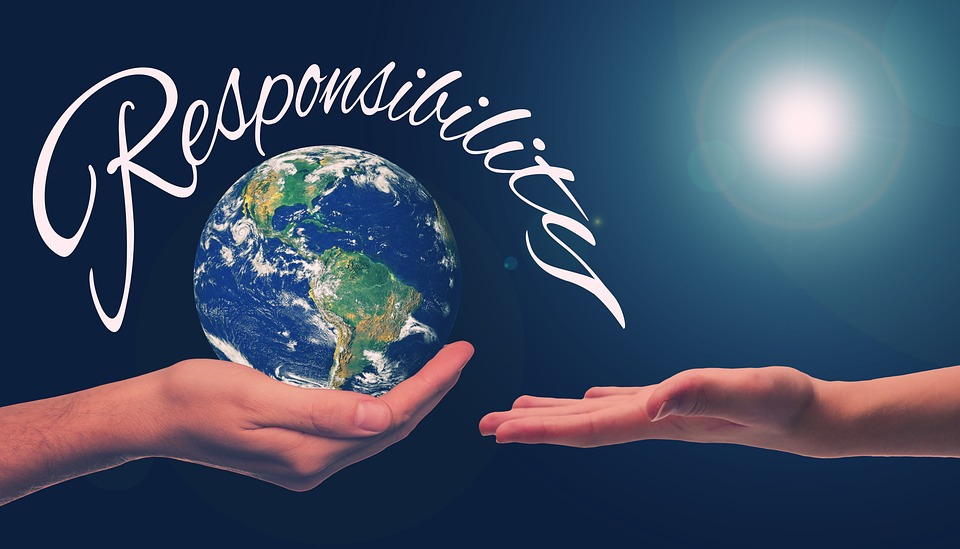
A shared responsibility – Building ethical AI systems
AI should never operate in a legal or ethical vacuum. Governments, tech companies, and communities must work together to ensure AI serves people — not the other way around.
That means committing to:
- Total transparency — Clearly labeling AI-generated content and decisions.
- Holding organizations accountable when AI is used to harm or deceive.
- Public education awareness, making sure people understand their digital rights and the risks AI presents.
The bottom line
Denmark’s proposal may seem bold, but it’s the kind of forward-thinking action the world needs right now. Ghana — and other countries embracing AI — have a chance to lead with integrity by protecting their citizens before misuse becomes widespread. The future of AI isn’t just about innovation. It’s about trust, rights, and responsibility. The time to act is now.
>>>the writer is a Cybersecurity Transformation Lead blending IT, cyber, and PM expertise. Shares insights, lessons, and hacks to build digital trust and resilience
Post Views: 98